- Tokyo: 18:34
- Singapore: 17:34
- Dubai: 13:34
- London: 10:34
- New York: 05:34
How the World Around Us Affects Honey Bees: A Look at Pesticides and Landscapes
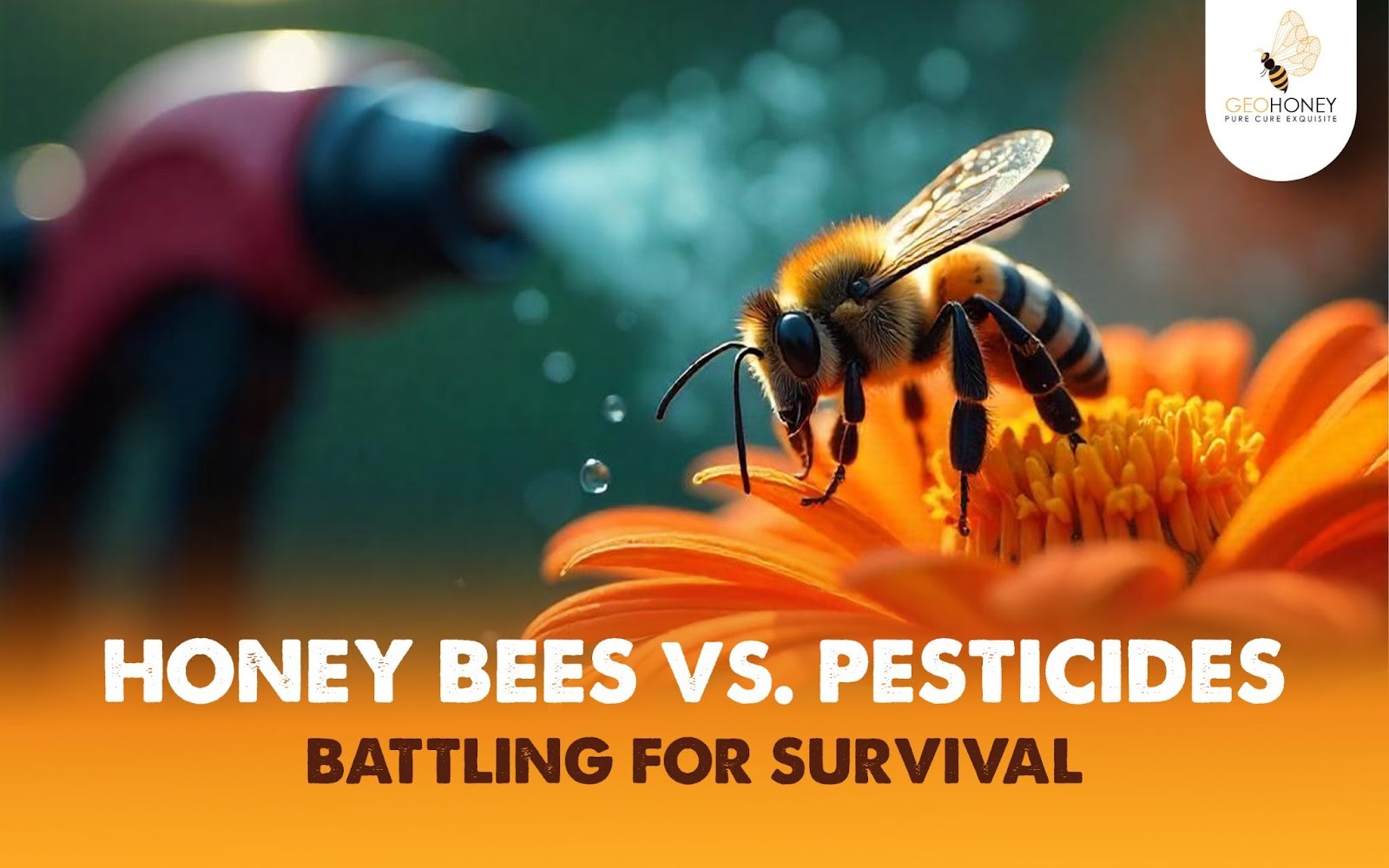
Honey bees play a crucial role in keeping our ecosystems buzzing. They help pollinate many of the crops and wild plants we depend on, ensuring food security and biodiversity. But their populations have been declining, raising alarm bells for scientists and environmentalists worldwide. One of the culprits? Pesticides.
A recent study by researchers in Japan sheds light on how the landscapes around honey bee colonies influence their exposure to pesticides. Here’s what they found, explained in simple terms for everyone to understand.
What Did the Study Look At?
The researchers focused on Japanese honey bees (Apis cerana japonica), a native species of Asia. These bees are an important part of the local ecosystem, and many beekeepers across Japan maintain colonies in natural and semi-natural settings.
The scientists collected honey and beeswax from 175 honey bee colonies spread across various parts of Japan. They tested these samples for different types of pesticides, including insecticides, herbicides, and fungicides. They then analyzed how the land-use types around the colonies—like forests, agricultural fields, or urban areas—affected the presence and levels of these pesticides.
Key Findings: Landscapes Matter!
Here are the highlights from their findings:
Agricultural Areas Are High-Risk Zones:
Bee colonies near paddy fields and orchards had the highest exposure to pesticides. These areas use pesticides heavily to protect crops, and bees visiting these fields often bring those chemicals back to their hives.
Urban Areas Are Surprisingly Risky:
You might think cities are safer since they don’t have large farms, but bees in urban areas were also exposed to pesticides. This is likely due to pesticides used in gardens, parks, and landscaping.
Forests Offer a Safe Haven:
Forested areas were found to have the lowest pesticide residues. Natural forests, in particular, provide a safer environment for bees, with less exposure to harmful chemicals.
Multiple Pesticides in One Hive:
Many colonies had residues of more than one type of pesticide. This “pesticide cocktail” effect can be even more harmful to bees, affecting their health and survival in complex ways.
Why Does This Matter?
Bees are exposed to pesticides when they forage for nectar and pollen in treated plants. These chemicals can harm their nervous systems, affect their ability to navigate, or even lead to colony collapse. When bees are exposed to pesticides from multiple sources—agricultural fields, urban gardens, or even forested areas—the risks multiply.
The study highlights a pressing issue: It’s not just about what happens on farms. Urban areas, forests, and other landscapes also play a role in pesticide exposure. This means we need to rethink how and where pesticides are used, not just in agriculture but everywhere.
What Can We Do?
Here’s how you can help protect honey bees and other pollinators:
Support Organic and Sustainable Farming:
Buy organic produce or support local farmers who minimize pesticide use.
Create Bee-Friendly Spaces:
Plant native flowers and shrubs in your garden to provide food for bees.
Avoid using pesticides in your yard or garden. Opt for natural pest control methods instead.
Advocate for Better Policies:
Push for stricter regulations on pesticide use, especially in urban areas and public spaces.
Support initiatives that protect natural habitats like forests, which can serve as safe zones for pollinators.
Educate and Spread Awareness:
Share what you’ve learned with friends and family. The more people understand the risks, the more we can work together to protect bees.
Conclusion
Bees are more than just honey-makers. They’re vital to our food systems and the planet’s biodiversity. This study is a reminder that the world around us—whether it’s a farm, a city park, or a forest—affects these hardworking pollinators. By making thoughtful choices and supporting bee-friendly practices, we can ensure that honey bees continue to thrive and keep our ecosystems healthy.
Let’s all do our part to create a world where bees and humans can thrive together!


