- Tokyo: 23:13
- Singapore: 22:13
- Dubai: 18:13
- London: 15:13
- New York: 10:13
Influence of Bee Pollination on Seed Viability and Crop Stability
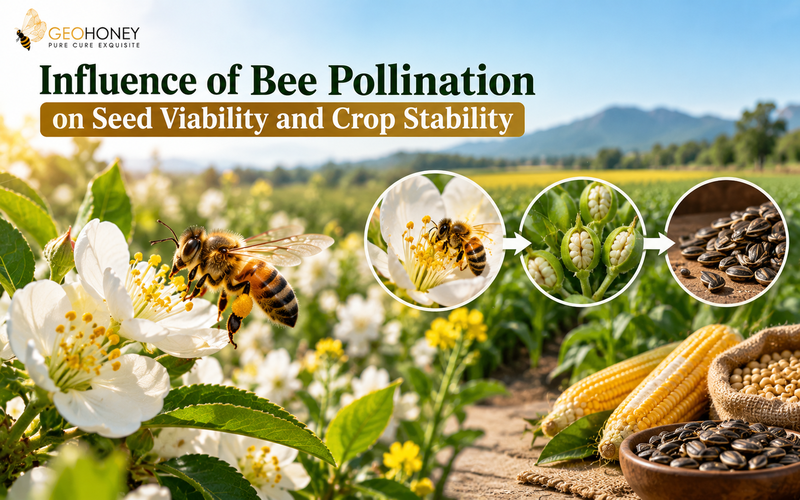
Bee pollination plays a vital role in agricultural productivity by supporting fertilisation, seed development, and genetic diversity. Beyond increasing crop yields, effective pollination can improve seed viability, germination rates, and long-term crop stability. These benefits are essential for sustainable agriculture and reliable food production. Research by the FAO and other scientific institutions highlights the importance of pollinators in maintaining crop quality and agricultural biodiversity.
How Bee Pollination Improves Seed Viability
When bees transfer pollen between flowers, successful fertilisation supports the development of healthy seeds. In many crops, cross-pollination improves seed production and can increase seed weight and germination potential.
A 2026 field study on black cumin (Nigella sativa) in northern Ethiopia found that honeybee pollination increased seed yield by 49.1% and germination by 60.5% compared with pollinator exclusion. These results demonstrate the potential benefits of bee pollination in this particular crop and study setting.
Role in Crop Stability
Consistent pollination helps crops produce more uniform fruits and seeds, supporting dependable harvests across growing seasons. Pollinator activity also promotes genetic exchange in plants, which can help maintain diversity and adaptive potential.
Research on cotton and sesame in Burkina Faso found that bee pollination improved crop yield and quality, while excluding pollinators caused substantial production losses.
Threats to Pollination and Seed Quality
Habitat loss, pesticide exposure, reduced floral diversity, and changing climatic conditions can disrupt bee activity. Reduced pollination may consequently affect seed formation, germination, and agricultural production.
Strategies for Sustainable Pollination
Farmers can support bee pollination by planting diverse flowering vegetation, protecting natural habitats, reducing harmful pesticide exposure, and maintaining healthy managed colonies. Monitoring pollinator activity during flowering can also help improve crop management.
Conclusion
Bee pollination contributes to seed viability, crop quality, and agricultural resilience. Protecting pollinators and integrating sustainable farming practices can help maintain reliable seed production and strengthen long-term food security.


