- Tokyo: 05:06
- Singapore: 04:06
- Dubai: 00:06
- London: 21:06
- New York: 16:06
Are Himalayan Salt Lamps Just a Trend or a Wellness Staple?
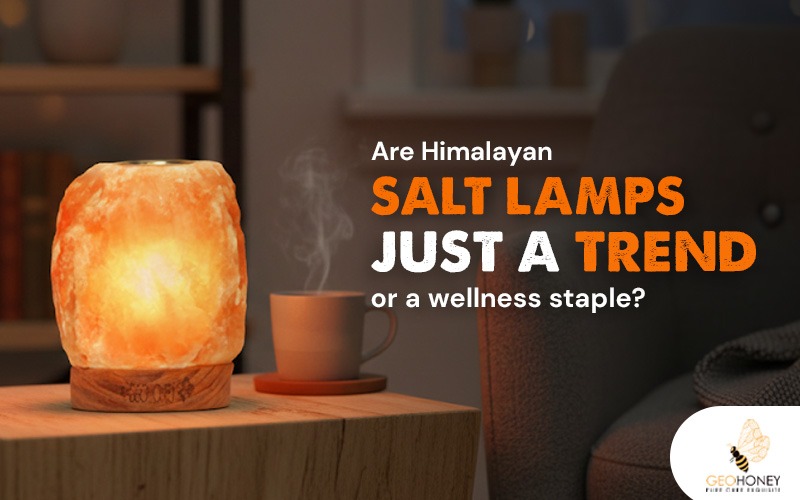
Fans say Himalayan salt lamps clean air, improve mood, and support sleep. However, scientists say the evidence does not back those claims. What the lamps reliably offer is soft light, decor value, and a calming vibe. The salt itself has real culinary and cosmetic uses. But the lamp version sits in a gray zone between trend and staple.
Key takeaways:
Himalayan pink salt is mostly sodium chloride (about 98%) with trace minerals under 2%.
Those minerals look impressive on labels. But the amounts are too small to change health outcomes.
Salt lamps are said to release negative ions and clean air. Yet, studies do not support this.
The warm light can still help people relax, which explains why many enjoy them.
What Makes Himalayan Salt Unique?
Himalayan pink salt, also called halite, comes from the Khewra Salt Mine. This mine sits in Pakistan’s Punjab region and traces back to an ancient sea bed more than 800 million years old. That age gives the salt a story, and stories sell.
Chemically, about 98% of it is sodium chloride. The remaining part is what creates the hype. Roughly 84 trace minerals sit in the last under-2%, including iron, potassium, magnesium, and calcium. Iron gives the salt its pink color. That's why these lamps glow peach or amber when lit. These minerals are often promoted as a health bonus, yet their quantities are tiny compared to what the body needs.
Put plainly, you cannot eat Himalayan salt for nutrition. For instance, to see effects like iron helping anemia, you'd need to consume unrealistic amounts, and that is not practical or safe. Compared to iodized table salt, it also does not solve iodine needs.
Still, many people like it because it feels less processed and more “natural.” That preference is emotional as much as chemical.
Purported Benefits of the Salt
Supporters give pink salt a long list of perks:
They say it helps hydration by balancing electrolytes, supports breathing through anti-inflammatory minerals, and aids detox when used as “sole,” which is salt water.
In food, they claim it adds a mild umami depth that improves digestion and makes simple dishes taste better.
On skin, they point to antibacterial effects for acne and to magnesium for muscle relaxation in baths.
Some of this sounds reasonable at first glance. Salt does affect fluid balance, and minerals do play roles in the body, and scrubs do remove dead skin. The problem is scale, not theory. Those trace minerals are present in amounts so small that, in normal use, they do not change health outcomes in a meaningful way.
So the benefits exist more in experience than in numbers. You may enjoy a salt bath because warm water relaxes muscles, you may like a scrub because it exfoliates, and you may enjoy its taste on roasted vegetables because texture and crystals matter. That does not make the salt useless. It just means it works like a sensory upgrade, not like a supplement.
Lamps: Claims vs. Evidence
A salt lamp is a hollow block of salt with a bulb inside. When you turn it on, it glows softly and looks calm.
What's Being Said
The big claim is that heat from the bulb makes the salt release negative ions, which then neutralize positive ions from electronics and clean the air of dust, allergens, and odors.
There is also a mood angle. People say the warm light reduces stress, improves sleep, and lifts spirits, similar to gentle light therapy. Some descriptions even suggest the salt surface traps moisture and pollutants as it attracts water from the air. It all sounds tidy and scientific.
The Reality Check
The heat inside most lamps is around 45–50°C, which is not enough to create meaningful ionization. The number of ions released is far lower than what you get from a shower or a walk in a forest. Moreover, there are no solid, peer-reviewed studies showing that these lamps clean air or treat health issues.
What they do reliably provide is warm light. Warm light is known to feel relaxing, and that can improve mood or sleep routines simply because the room feels calmer. That effect is real. But it comes from lighting and atmosphere, not from salt chemistry.
There is also a small downside. This salt is hygroscopic and absorbs moisture. So, the lamp can “sweat” and even contribute to mold if it is not cleaned.
So the honest verdict is simple. Any health benefits are likely placebo or lighting-related, not a proven physical process. If you buy one, buy it for the vibe.
How to Use Salt Lamps Safely
Here’s what you should know before and while using the lamps safely:
Buy a real one. Look for a rough surface and a soft, uneven glow from a trusted seller.
Pick the size for the room, usually 5 to 25 pounds.
Use a 15W incandescent or a dimmable LED. Skip halogens because they can overheat and crack the salt.
Place the lamp on a stable, non-flammable surface in a low-humidity spot, like a desk or living room, about 3–5 feet from your bed.
Run it 8–16 hours a day so heat can dry absorbed moisture. Wipe sweat weekly with a microfiber cloth. Unplug during very humid periods.
Keep it away from pets and kids. Salt ingestion is harmful.
Diverse Applications Beyond Lamps
Himalayan salt’s real strength is how flexible it is across food, beauty, and home uses.
As a finishing salt, it adds crunch to salads and roasted vegetables.
As a block, it chills seafood or sears steaks, and even upgrades drink rims.
Mixed with oil, it becomes a scrub for exfoliation; in masks or foot soaks, it’s about feel, not minerals.
In homes, inhalers and “salt rooms” focus on atmosphere, and salt-water gargles soothe throats.
Food-grade versions flavor gourmet items, and coarser grades become serving blocks.
FAQs
Why do people prefer Himalayan salt?
It feels natural. It also looks different because of the pink color. It has trace minerals, even if they are tiny. In food and beauty, it adds texture and style.
Are salt lamps good for mental health?
They do not treat conditions. There is no strong science for that. But the warm light can feel calming. That can help people relax and sleep better.
How do I know if my Himalayan salt lamp is real?
Real ones look rough and imperfect. Furthermore, the glow is soft, not bright white. They come from trusted sellers. Note that very smooth or plastic-looking ones are often fake.