- Tokyo: 13:09
- Singapore: 12:09
- Dubai: 08:09
- London: 05:09
- New York: 00:09
How Raw Honey Helps When Fasting
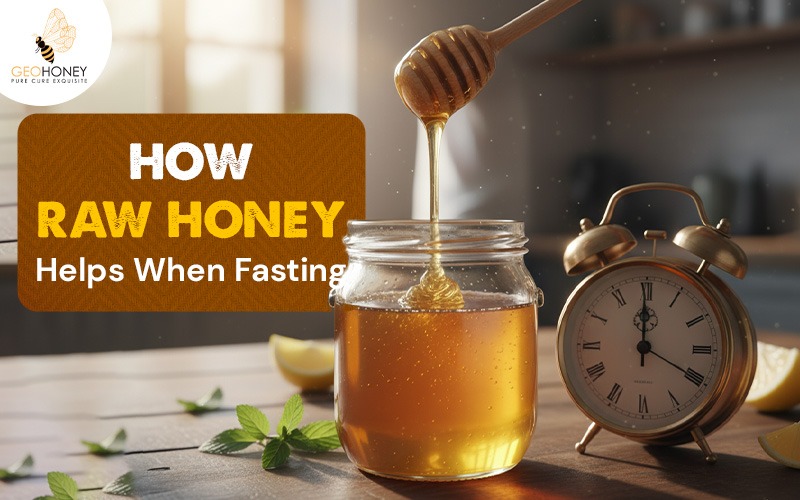
Fasting is meant to give your digestive system a small break, allowing it to rest and function even better. However, raw honey is becoming a popular addition to fasting routines lately because of its nutrient profile, energy supply, and the power to reduce common fasting discomforts. Adding small amounts of honey keeps your body stable, helping you make the most of this wellness-focused practice.
This article explains the benefits of raw honey while fasting, along with some dos and don'ts.
Key Points to Remember
Before we dive deep, here are some key characteristics of honey:
Phenol and flavonoids found in honey are anti-inflammatory, antiviral, and antioxidant, promoting good health.
Gluconic acid, along with hydrogen peroxide from enzyme reactions, makes honey antimicrobial in nature.
Darker honey variants contain more minerals and antioxidants than lighter variants.
Role of Raw Honey While Fasting
Intermittent fasting, 16:8 schedules and One Meal A Day (OMAD) fasting each allow different levels of flexibility. While water-only fasting leaves no room for calories, other wellness-based fasting types allow for small amounts of natural carbohydrates to maintain energy and mood.
Raw honey is better suited for fasting consumption because:
It is minimally processed
Digests slowly
Contains trace minerals and antioxidants
It offers quick and steady energy
These characteristics make raw honey a practical option for people who fast to maintain metabolic health, improve gut balance, or regulate weight.
1. Steady Energy Minus Blood Sugar Spikes
Raw honey boasts a balance of fructose and glucose. Your body absorbs it more gradually compared to refined sugar. This helps maintain energy during fasting windows without triggering the sharp highs or lows in the blood sugar.
The steady energy release is crucial because it:
Reduces the risk of mid-morning fatigue.
Helps maintain concentration and mood.
Supports physical activity like workouts during fasted hours
2. Supports Gut Health
One of the main reasons why individuals fast is to give their digestive systems a break. Raw honey complements this resting break as it contains oligosaccharides, which act as prebiotics. It helps promote the growth of good gut bacteria like Lactobacillus and Bifidobacteria for maintaining gut health. Consequently, it improves overall metabolism.
Some of the other gut-related health benefits of consuming raw honey while fasting include:
Reduces bloating by enhancing digestive powers and soothing the irritated stomach lining
Smoothens digestion after breaking the fast
Helps with a gentle transition to food
3. Reduces Fasting-Related Discomforts
Many people experience early fasting headaches. This can be due to a sudden change in the body's energy availability. Raw honey delivers steady energy without overwhelming the system. It releases the energy steadily, keeping your nervous system calm, helping your body adjust better. This energy helps you:
Overcome irritability
Manage light-headedness
Fight off the mid-fast slump
4. Complements Body's Repair Process
Honey plays a key role in supporting the body's repair process, given its composition. For starters, its antimicrobial properties prevent the growth of bacteria and infections. Secondly, it alleviates pro-inflammatory cytokines. Thus making it easier for your bodily tissues to repair themselves.
Moreover, the controlled and gradual release of hydrogen peroxide in honey stimulates fibroblast production. This helps in tissue regeneration.
Fasting also promotes the body's autophagy, which is the body's way of clearing out old or damaged cells. Raw honey promotes this activity by supplying antioxidants to reduce oxidative stress.
How to Use Raw Honey While Fasting?
1. Pre-Fasting
Take ½ to 1 tsp before starting the fast to stabilise energy.
2. During Lifestyle Fasts
Eat about ½ tsp of honey during fasts if you feel dizzy, mentally clouded, or overly fatigued.
3. Before a Workout
1-2 tablespoons of raw honey, before 15-30 minutes, should be enough to support performance without overwhelming your digestive system. For high-intensity workouts, you may increase to 2-4 tablespoons.
4. When Breaking the Fast
Avoid having heavy meals directly. Honey paired with warm water, herbal tea, or fruit helps ease digestion.
Does Raw Honey Break Fast?
It depends on your fasting method. If you are strictly on a water-only fast, consuming honey breaks the fast. However, if you are on intermittent fasting or circadian fasting, small amounts of honey are acceptable due to its prebiotic and anti-inflammatory profile. The key is to align with your personal goals.
Raw Natural Honey from GeoHoney
Geohoney is a global supplier of raw honey, focusing especially on wild and monofloral varieties. We offer over 200 types of honey, including popular variants like Acacia honey, Citrus honey, Manuka honey, and more. They're all harvested from farms across 500 locations globally, with the help of a new patented agri-tech initiative that aims to multiply the global honey supply.
These raw honey variants are minimally processed, making them suitable for consumption during wellness-based fasting. Explore them today!
FAQs
1. How much honey is ideal during fasting?
½ to 2 tablespoons of honey is ideal, depending on your goal for consumption.
2. Can honey cause a sugar spike during fasting?
No, as honey has a low glycemic index. When consumed in small amounts, it is gentler on the blood sugar.
3. What type of honey works best?
Opt for raw honey over processed honey variants. You can try different types of honey from GeoHoney, like Manuka, Acacia, Oak, Thyme, and more.
4. Is honey safe for people with diabetes?
Although less, honey still contains sugar. It is best to consult a doctor before including it in your fasting routines or otherwise.