- Tokyo: 12:56
- Singapore: 11:56
- Dubai: 07:56
- London: 03:56
- New York: 23:56
Is Bee Pollen Good for You?
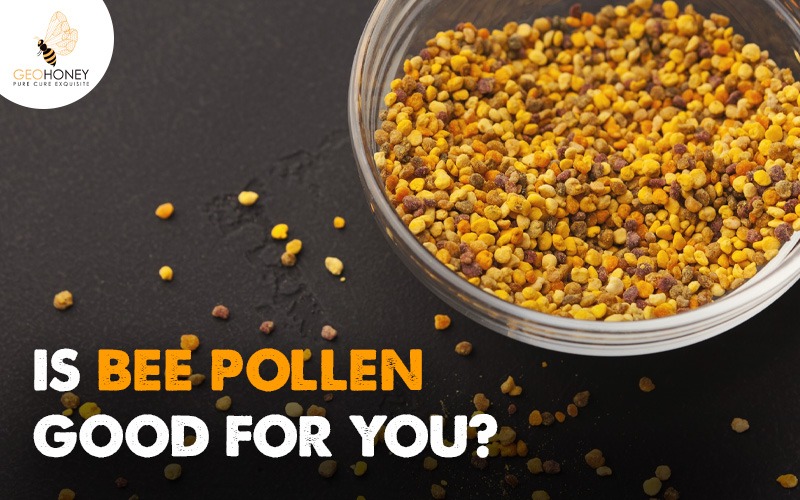
Bee pollen is a food rich in energy and vitamins that has been medically used to treat concerns like prostatitis, stomach ulcers, and infections. That being said, the use of bee pollen for these reasons has been under question.
Today’s blog explores bee pollen and its benefits. It covers important topics such as:
Benefits
Health risks
How to add it to your routine
Bee Pollen: Quick Understanding
Also called “bee bread,” bee pollen contains a mix of the following, amongst other things:
Amino acids
Fatty acids
Antioxidants
Vitamins A, B, C, D, and E
Minerals like calcium, potassium, and iron
But how do bees create bee pollen? While going around collecting flower pollen. They mix the nectar, enzymes, honey, and secretions with flower pollen. Besides being a superfood for humans, bee pollen is the primary source of food for the hives.
Benefits of Bee Pollen
Boasting over 200+ compounds, bee pollen contains some of the most powerful antioxidants you’ll find. For instance, flavonoids. Antioxidants fight off free radicals and prevent cell damage.
Below are some more benefits of bee pollen: Cardiovascular diseases are the leading cause of death worldwide. Bee pollen has a positive impact on heart health as it lowers cholesterol. The antioxidants in it prevent lipids from clumping and blocking your blood vessels. Bee pollen is popular for its antioxidants, which neutralise free radicals in the body. They are linked with cellular damage, tissue damage and inflammation. Your liver is responsible for a number of functions in your body, like waste elimination, the production of bile (which aids in digestion), and transforming food into energy. The nutritional composition of bee pollen helps your liver function better and protects against obesity. Bee pollen supports the growth of immune cells. It also lowers inflammation signals and slows down allergic pathways. Consequently, it reduces allergic reactions. The amino acids, vitamins, minerals, and antioxidants found in bee pollen also boost immune markers like: Total serum protein Globulin PMN-to-lymphocyte ratio Bee pollen changes the structure of your intestine to increase the surface area for better food absorption. Specifically it: Increases the thickness of the intestinal lining Deepens the glands Lengthens the villi Here are some more benefits for you: Helps with wound healing Treats burns and scrapes Improves blood circulation to the brain Strengthens the nervous system Increases energy Minimizes brain fog Like any other ingredient, consumption of bee pollen also has certain limitations. You should avoid or take medical advice if you: Have a pollen allergy Suffer from diabetes Consume blood thinners Are pregnant or nursing Bee pollen improves heart health and immune system. It also helps your liver perform better and increases energy levels. Yes, you can eat ¼ teaspoon to 2 teaspoons daily. It is best to speak to your doctor before doing so. Although nutritious, long-term consumption can have certain side effects like nausea, numbness, rashes or breathing issues. If you have diabetes, pollen allergy, or take blood thinners, please avoid bee pollen. Pregnant and nursing women should avoid it too. Start with ¼ teaspoon. Add it to yoghurt, oats, coffee, tea, or baked goods. You can buy bee pollen from GeoHoney. It is 100% natural, authentic, and pure. Heart Health
Anti-Inflammatory Action
May Protect Your Liver
Boosts Immune System
Improves Intestinal Structure
Other benefits
Health Risks to Consider
FAQ
What does bee pollen do for your body?
Can I eat bee pollen every day?
What are the negative effects of bee pollen?
Who cannot eat bee pollen?
How to start eating bee pollen?
Where can I buy bee pollen?