- Tokyo: 17:46
- Singapore: 16:46
- Dubai: 12:46
- London: 09:46
- New York: 04:46
Why Are Bees Dying and What Can We Do About It?
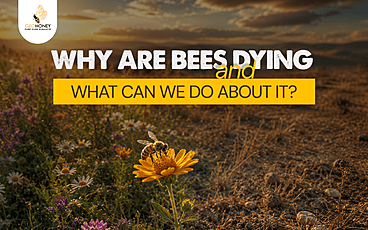
Bees are central to the global food supply and ecosystem. These hardworking creatures prepare honey, which is a delicious natural sweetener. And not just that, but they also pollinate a huge number of crops all across the world that serve as a source of food for humans and animals alike.
However, the bees are dying at an alarming rate, especially over the past few decades. This rapid decline in the bee population puts global food security at great risk.

But why are bees dying so fast all over the world, and is there something that we can do about it? This is what this entire blog is all about. So, keep on reading till the end to make sure you are better able to protect this keystone species from extinction.
The Importance of Bees for Humans and the Planet
Key Reasons Why Bees Are Dying
What We Can Do to Save Bees?

The Importance of Bees for Humans and the Planet
Honey bees are among the primary pollinators of this plant. These bees move from flower to flower in search of nectar to make organic honey. When bees collect nectar, pollen from plants sticks to their fuzzy bodies.
Bees bring this pollen from the male part of a flower or anther to the female part or stigma to promote plant fertilization. The process of pollination by the bees is responsible for one-third of the crops that we consume.
Bees also facilitate the reproduction of wild plants. Many animals use these plants both as food and shelter. Without pollination the natural ecosystems or animal habitats around the globe can also take a serious hit. This is why you cannot ignore the role of bees in ecosystem stability.
In the absence of bees crop production reduces. This means the food becomes more expensive due to scarcity.
Key Reasons Why Bees Are Dying
The decline in bee populations results from a combination of factors that range from aggressive agricultural methods to harmful human activities. Here are some key reasons why bees are dying all over the world.
Excessive Pesticide Usage
Studies show that the use of pesticides such as neonicotinoids or pyrethroids results in broad reductions in bee species. These chemicals mess with the nervous systems of bees.
This results in less efficient navigation or foraging ability. Pesticides not only kill bees but they also affect their ability to reproduce.

Loss of Habitat
Unprecedented rates of industrialization and urbanization are also culprits behind the death of bees. This leads to deforestation and that destroys the natural bee habitats.
Deforestation leads to less plant diversity and a reduction in nesting sites for the bees. This exposes them to a harsh outdoor environment where bees cannot forage in peace. This results in malnourishment and less resistance to disease.
Intensive Agriculture and Monoculture Farming
Modern agriculture relies on large-scale or single-crop farming as it is more efficient. However, this leads to a lack of dietary diversity, increased pesticide use, and longer transport distances for pollination services for the bees. Thus, the aggressive farming culture deprives bees of essential nutrients that they get from diverse plants. This weakens their immunity, which leads to colony collapse.
Climate Change Threats
The impact of climate change on honeybees is also significant. It disrupts the natural flowering cycles of the plants and nectar-collecting cycles of the bees. Due to climate change, flowers bloom either too early or too late than usual. This makes it hard for the bees to collect nectar at the right time to feed the colony.
Intense heat waves, changes in rainfall patterns, and a shift in the geographic ranges of plants and bees also make the survival of honey bees extremely hard.
Stress from Commercial Beekeeping
Commercial beekeeping involves transporting bees over long distances for pollination and to make honey, royal jelly and bee pollen. This disrupts the natural navigation systems of the bees. Commercial beekeeping also leads to more disease spread between colonies and a reduction in the lifespan of worker bees.

What We Can Do to Save Bees?
There are huge environmental threats on bees that result from human influence and natural factors like diseases. However, all is not lost. There is still so much that we can do individually to make sure bees get a safe environment to collect nectar and grow.
Here are some effective ways to do that.
Plant Bee-Friendly Flowers
You need to start planting more bee-friendly or nectar-rich flowers. Look into plants that bees find the most attractive and bring them to your home garden and community. You can consider lavender, sunflowers, marigolds, and your native wildflowers for this purpose.
Limit Pesticide Use
You need to limit or avoid the use of chemical pesticides in your home garden or farm as much as possible. There are several effective organic pest control methods that you can use instead. You can go with natural predators or microbial pesticides that target specific pests without harming honey bees.
Support Sustainable Farming
You also need to focus more on bee-friendly farming or sustainable farming practices. Make sure your farm has different flowering plants to provide bees with year-round nutrition. You also need to provide bees with undisturbed nesting areas, like buffer strips or hedgerows in your farms. Make sure bees also have access to cool and clean water.
Protect Natural Habitats
You also need to protect natural bee habitats to prevent them from dying. Make sure to preserve wildflower meadows, restore forests and grasslands, and create pollinator corridors between habitats. Bees that live in nourishing, natural habitats are able to grow both in numbers and in health, and that is why it is extremely important.
Help Beekeeping Efforts
You can also help save bees by supporting local beekeepers who follow ethical beekeeping and raw honey harvesting practices. You can buy local honey and support ethical honey production. Governments can also incentivize local beekeepers and give them access to advanced hive health monitoring tools to make sure the risks of bee colony collapse reduce significantly.
Build Awareness and Education
And finally, it is on all of us to educate ourselves and the general public about the key role that bees play in our lives. You need to spread awareness about the growing threats to bee populations and the best ways to deal with these threats. This can help us work as a community to protect these tiny but extremely important creatures that are central to our planet’s survival.
Conclusion
Bees are special creatures with a huge impact on humans and the planet. They give us honey, pollinate our crops, and provide food and shelter to animal populations across the globe.
However, several factors like aggressive agriculture, excessive pesticide use, and habitat loss are causing a decline in the global bee population. This rapid decline is a warning sign as it puts the survival of the plant and its inhabitants at risk.
Fortunately, there are several things that we can do to reverse this situation. These include using bee-friendly farming, avoiding pesticide use, and spreading awareness among the public about the importance of these hardworking but delicate insects.
This can guarantee long-term health of honey bees and the safety of our planet and its food supply for years on end.
Visit us at Geohoney today to learn more about bee conservation and to buy our wide range of monofloral honey varieties. Our honey products guarantee no adulteration, 100% purity, and ethical sourcing from local beekeepers from all over the world.
FAQs
Why are honey bees dying all over the world?
This results from a combination of factors, including habitat loss, climate change, diseases, pesticide use, and aggressive or monoculture farming.
What is the role of climate change in the decline of the bee population?
Climate change alters plant blooming seasons and leads to intense heat waves. It also triggers floods and droughts, which limit the food supply for the bees.
How do pesticides lead to the death of honey bees?
These chemicals affect the nervous system of the bees. This creates disruptions in navigation and memory. This also affects the bees’ ability to forage efficiently, which weakens their immunity and increases mortality rates.
What can we do to prevent bees from dying?
We can do that by avoiding the use of synthetic pesticides or herbicides, planting native flowering plants, avoiding chemical pesticides in gardens, and supporting local and organic farming.