- Tokyo: 20:01
- Singapore: 19:01
- Dubai: 15:01
- London: 12:01
- New York: 07:01
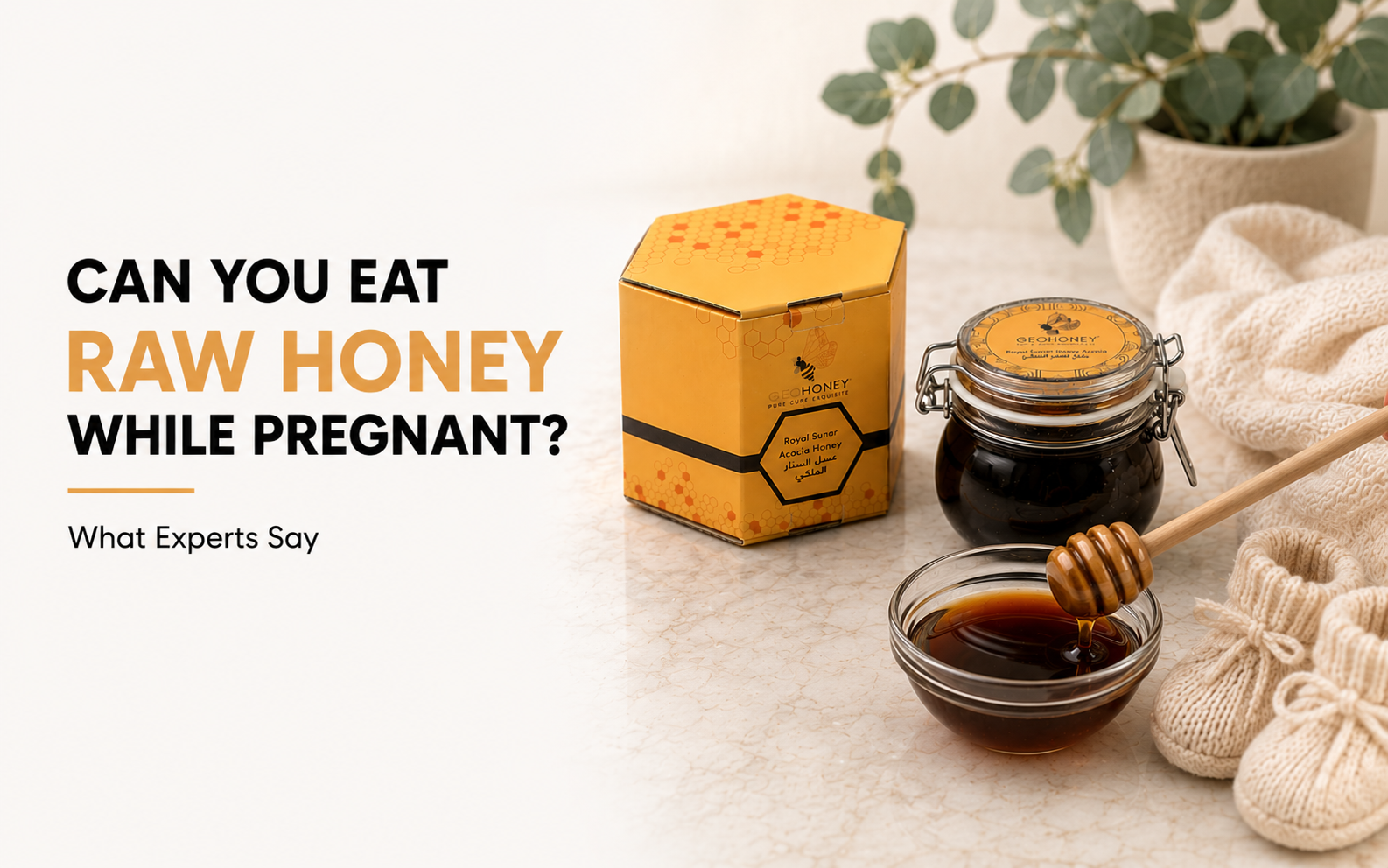
Can You Eat Raw Honey While Pregnant? What Experts Say
Raw honey is one of the most popular sweeteners that's been used for centuries. It contains many antioxidants and enzymes and is also known for its health benefits. Apart from being antibacterial and anti-inflammatory, it also provides a natural source of energy. However, when it comes to pregnant women, many people are skeptical about honey. People often question: is it safe to eat raw honey while pregnant? The answer is yes. Raw honey is safe to eat during pregnancy in most cases. Honey doesn't pass the placenta and doesn't reach the growing fetus, thus making it safe for the pregnant woman to eat. But, like everything else, raw honey is also best avoided in some cases during pregnancy. This blog covers exactly why raw honey is safe during pregnancy, what benefits it offers, how much you can eat, and which women should still check with their doctor first. So, keep on reading till the end to make sure you are consuming raw honey with complete confidence during this important time. Is Raw Honey Safe During Pregnancy? The Botulism Concern: Why It Does Not Apply to Pregnant Women Health Benefits of Raw Honey During Pregnancy How Much Raw Honey Can You Eat While Pregnant? Who Should Be Extra Careful? Yes, it is. The warning you may have heard about honey applies to babies under 12 months, not to adults. A baby's digestive system is still developing, which means it cannot handle certain bacterial spores that honey can naturally contain. By the time you are an adult, your stomach acid and gut bacteria take care of those spores long before they become a problem. Pregnant women are no different from other adults in this regard. The mature gut does the job it is supposed to do, and the spores pass through harmlessly. Health and nutrition experts all agree on this point, and there is no popular research that contradicts this. Raw honey can naturally contain spores of Clostridium botulinum, a bacterium found in soil and dust all over the world. In babies under 12 months, the immature gut gives these spores a chance to germinate and produce a toxin, causing infant botulism, which is a serious condition that affects the nervous system. This is why every major health authority advises against giving honey to young infants. In adults, the story is entirely different. Stomach acid combined with established gut flora destroys the spores well before they have a chance to germinate. The risk that exists for infants simply does not exist for a pregnant woman's body. There is also no pathway through which these spores can reach the baby. Research confirms that Clostridium botulinum spores cannot cross the placenta, so the unborn baby is not exposed regardless of how regularly the mother eats honey. It is also worth keeping in mind that the genuine food safety concerns during pregnancy center around unpasteurized dairy, undercooked meat, and high-mercury fish. Raw honey is not on that list. Beyond being safe, raw honey is genuinely useful during pregnancy, particularly because so many common medications and remedies are off the table during this time. Coughs and throat irritation crop up often during pregnancy, and most over-the-counter syrups are not recommended. Raw honey fills that gap well. Its demulcent action coats the throat, cuts down on irritation, and eases the urge to cough. A teaspoon in warm water or herbal tea is one of the most effective and safest options available to pregnant women for this purpose. The body works considerably harder during pregnancy, and fatigue hits early. Raw honey contains natural glucose and fructose that absorb at a steady rate, keeping your energy more level throughout the day. It does not spike blood sugar the way refined sugar does, which makes it a smarter choice when you need a lift. Pregnancy increases oxidative stress on the body. Raw honey brings polyphenols, flavonoids, and other antioxidants that help counter this, protecting cells from damage. Sourcing a pure, traceable monofloral honey makes a real difference here, since heavily processed honey loses much of this nutritional value along the way. Raw honey contains hydrogen peroxide and traces of propolis, both of which work against minor bacterial infections. Its anti-inflammatory compounds also support the body at a time when the immune system is operating differently to accommodate the pregnancy. One to two tablespoons a day is a reasonable amount for most healthy pregnant women. That is enough to get the benefits without adding an unnecessary sugar load to the diet. Honey is still a source of natural sugar, and pregnancy raises the risk of gestational diabetes. Even though honey has a lower glycemic index than refined sugar, moderation is worth keeping in mind. One more thing worth considering is the quality of the honey itself. Adulterated or heavily processed honey does not carry the same nutritional value as genuine raw monofloral honey. Sourcing from a verified, traceable producer matters, and it matters especially during pregnancy. Most pregnant women can eat raw honey without giving it a second thought. A handful of situations are worth flagging, though. If you have been diagnosed with gestational diabetes, raw honey still raises blood sugar. Check with your doctor or midwife before adding it to your regular diet. Women with known pollen or bee allergies should also take note, since raw honey carries trace pollen that pasteurized honey removes. Pasteurized is the safer choice in those cases. And if you are on medication or managing any ongoing health condition during pregnancy, a quick check with your healthcare provider before making honey a daily habit is always the right call. Raw honey is safe for pregnant women. The botulism concern that surrounds honey is real, but it belongs to infant care, not to adult nutrition. In pregnant women, the digestive system handles any bacterial spores in honey without issue, and those spores have no route to the unborn baby. Raw honey also brings real value during pregnancy, from easing sore throats to delivering steady energy and antioxidant support, at a time when options are genuinely limited. One to two tablespoons a day from a pure, trusted source is all you need. Visit us at Geohoney today to explore our exclusive range of 100% pure, raw monofloral honey sourced from local beekeepers across 53 countries and 155 farms all over the world. Our honey products guarantee no adulteration, complete purity, and ethical sourcing so that you can enjoy every spoonful with complete peace of mind during your pregnancy and beyond. Yes, it is. The botulism concern around honey is real, but it applies only to babies under 12 months. A pregnant woman's digestive system is fully developed and handles any bacterial spores in honey before they get the chance to cause harm. No. Clostridium botulinum spores need an immature gut to take hold, and adults simply do not have that. Stomach acid and gut bacteria break them down long before anything can happen. No. The spores cannot cross the placenta, so what a mother eats does not put the baby at risk in this case. One to two tablespoons a day is a reasonable amount for most healthy pregnant women. If you are managing gestational diabetes, it is worth checking with your doctor before making it a daily habit. Look for 100% pure, raw monofloral honey from a source you can actually verify. It holds on to the natural compounds that processing strips away, and it comes without added sugars or fillers. Not really. Both are safe to eat during pregnancy. Raw honey does hold more antioxidants and natural enzymes. If you have a known pollen allergy, though, pasteurized is the smarter choice since it filters out trace pollen.Is Raw Honey Safe During Pregnancy?
The Botulism Concern: Why It Does Not Apply to Pregnant Women
Health Benefits of Raw Honey During Pregnancy
Soothes Sore Throat and Cough
Provides Natural Energy
Rich in Antioxidants
Antibacterial and Anti-Inflammatory Support
How Much Raw Honey Can You Eat While Pregnant?
Who Should Be Extra Careful?
Conclusion
FAQs
Is raw honey safe to eat during pregnancy?
Can honey cause botulism in a pregnant woman?
Can eating honey harm an unborn baby?
How much raw honey can a pregnant woman eat per day?
Which type of honey is best during pregnancy?
Is pasteurized honey safer than raw honey during pregnancy?