- Tokyo: 23:58
- Singapore: 22:58
- Dubai: 18:58
- London: 15:58
- New York: 10:58
HONEY Researches
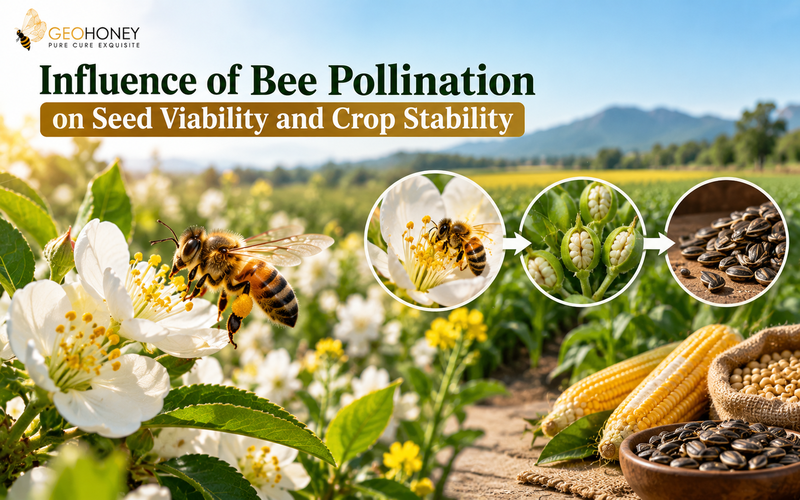
Influence of Bee Pollination on Seed Viability and Crop Stability
Bee pollination plays a vital role in agricultural productivity by supporting fertilisation, seed development, and genetic diversity. Beyond increasing crop yields, effective pollination can improve seed viability, germination rates, and long-term crop stability. These benefits are essential for sustainable agriculture and reliable food production. Research by the FAO and other scientific institutions highlights the importance of pollinators in maintaining crop quality and agricultural biodiversity.How Bee Pollination Improves Seed ViabilityWhen bees transfer pollen between flowers, successful fertilisation supports the development of healthy seeds. In many crops, cross-pollination improves seed production and can increase seed weight and germination potential.A 2026 field study on black cumin (Nigella sativa) in northern Ethiopia found that honeybee pollination increased seed yield by 49.1% and germination by 60.5% compared with pollinator exclusion. These results demonstrate the potential benefits of bee pollination in this particular crop and study setting.Role in Crop StabilityConsistent pollination helps crops produce more uniform fruits and seeds, supporting dependable harvests across growing seasons. Pollinator activity also promotes genetic exchange in plants, which can help maintain diversity and adaptive potential.Research on cotton and sesame in Burkina Faso found that bee pollination improved crop yield and quality, while excluding pollinators caused substantial production losses.Threats to Pollination and Seed QualityHabitat loss, pesticide exposure, reduced floral diversity, and changing climatic conditions can disrupt bee activity. Reduced pollination may consequently affect seed formation, germination, and agricultural production.Strategies for Sustainable PollinationFarmers can support bee pollination by planting diverse flowering vegetation, protecting natural habitats, reducing harmful pesticide exposure, and maintaining healthy managed colonies. Monitoring pollinator activity during flowering can also help improve crop management.ConclusionBee pollination contributes to seed viability, crop quality, and agricultural resilience. Protecting pollinators and integrating sustainable farming practices can help maintain reliable seed production and strengthen long-term food security.
| Created at: October 14, 2026 | Researched at: October 14, 2026
Read more →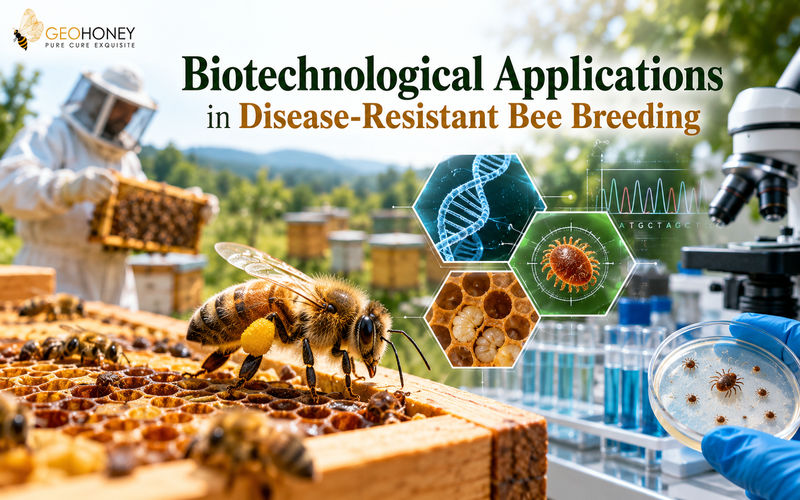
Biotechnological Applications in Disease-Resistant Bee Breeding
Honeybee health is influenced by a complex combination of genetics, pathogens, parasites, nutrition, climate, pesticides, and beekeeping practices. Among these pressures, Varroa destructor, viral diseases, bacterial infections, and other pathogens remain major challenges for modern apiculture. Conventional disease management has relied heavily on chemical treatments and hive-level interventions, but the increasing complexity of honeybee health problems has strengthened interest in breeding colonies with inherent resistance or tolerance traits.Biotechnology is helping researchers move beyond conventional visual selection. Genomics, molecular markers, proteomics, transcriptomics, reproductive technologies, and RNA-based approaches are providing new ways to identify and propagate honeybee traits associated with disease resistance. Importantly, some of these technologies are already being used in breeding research, while others remain experimental.This article examines how biotechnology is changing disease-resistant honeybee breeding and the scientific opportunities and limitations surrounding these approaches.Why Disease-Resistant Breeding MattersHoneybee colonies do not defend themselves against disease through individual immunity alone. Colonies also rely on social immunity, in which worker bees collectively identify, remove, groom, or isolate threats.One of the best-characterized examples is hygienic behavior. Workers detect unhealthy or dead brood and remove it from the colony, interrupting the development or transmission of certain brood diseases. A related trait, Varroa-sensitive hygiene (VSH), involves detecting and removing brood infested with reproductive Varroa mites.Research has demonstrated that these traits have a heritable component and can therefore be incorporated into selective breeding programs.1. Genomics and Genome-Wide Association StudiesModern honeybee genomics enables scientists to examine genetic variation across the genome and investigate relationships between specific genetic variants and resistance traits.Genome-Wide Association StudiesGenome-wide association studies (GWAS) compare genetic variants among bees showing different phenotypes. Researchers can then look for single-nucleotide polymorphisms (SNPs) or genomic regions associated with traits such as:Hygienic behaviorVarroa-sensitive hygieneGrooming behaviorImmune responsesDisease toleranceUSDA research has specifically investigated genomic regulatory variants associated with VSH, combining whole-genome sequencing with expression quantitative trait locus analysis to identify candidate markers that could potentially be used in breeding.The important advantage is that breeders may eventually be able to use genetic information alongside observed colony performance, rather than relying exclusively on labor-intensive behavioral tests.2. Marker-Assisted SelectionMarker-assisted selection (MAS) uses measurable molecular markers associated with desirable traits to support breeding decisions.Traditional selection for hygienic behavior can require repeated colony-level testing. This creates a practical bottleneck for commercial breeding because behavioral measurements can be influenced by environment, season, colony strength, and management.Researchers have therefore investigated molecular and protein biomarkers that correlate with disease-resistance phenotypes.A recent multi-region study found that colonies selected using marker-assisted approaches performed comparably to colonies selected using field-based hygienic-behavior assays, while selected colonies maintained lower Varroa populations at certain sites and times without acaricide treatment.This does not mean genetic markers can replace field testing completely. Rather, the evidence supports their use as additional tools for making breeding more efficient.3. Proteomics and Biomarker DiscoveryGenomics identifies differences in DNA, while proteomics examines proteins and protein expression.Honeybee antennae are particularly interesting in resistance research because worker bees rely heavily on chemical signals when identifying unhealthy or parasitized brood.Researchers have identified antennal proteins associated with hygienic behavior and Varroa-sensitive hygiene. These biomarkers have been investigated as potential indicators for marker-assisted breeding.Proteomic screening may therefore provide an intermediate layer between genotype and behavior:Genetic variation → protein expression → sensory response → defensive behaviorUnderstanding this chain could improve the precision of future disease-resistance breeding programs.4. Genomic SelectionMarker-assisted selection generally focuses on specific markers. Genomic selection takes a broader approach by using large numbers of genetic markers simultaneously to estimate the breeding value of an animal.Honeybee breeding presents particular challenges because many commercially important characteristics are colony-level traits, and honeybee queens mate with multiple drones. This makes inheritance and phenotype prediction more complex than in many conventional livestock systems.Nevertheless, USDA research is developing genomic resources specifically to modernize honeybee breeding. Its work includes a honeybee pangenome, which provides a broader representation of genetic diversity across multiple honeybee populations and can support future genomic-selection applications.The development of these resources could eventually allow breeders to select simultaneously for several traits rather than optimizing for one characteristic at a time.5. Artificial Reproductive TechnologiesBiotechnological breeding is not limited to DNA analysis.Controlled reproductive techniques—including instrumental insemination of queens—allow researchers to manage which drones contribute genetically to future colonies.This is particularly useful in experimental breeding because it allows researchers to:Maintain selected genetic linesControl mating combinationsReplicate breeding experimentsStudy inheritance of resistance traitsReduce uncertainty caused by uncontrolled matingHoneybee reproductive biology remains challenging because queens normally mate with multiple drones during mating flights, making controlled mating an important research tool for genetic-selection programs.6. Breeding for Varroa ResistanceAmong disease and parasite-resistance programs, Varroa resistance is one of the most developed areas of honeybee breeding research.Scientists have identified multiple resistance or tolerance mechanisms, including:Hygienic BehaviorWorkers remove dead or diseased brood.Varroa-Sensitive HygieneWorkers preferentially detect and remove Varroa-infested brood.GroomingWorkers remove mites from themselves or nestmates.Reduced Mite ReproductionSome honeybee populations have characteristics that interfere with successful Varroa reproduction.These mechanisms are biologically different but can contribute to lower parasite pressure within colonies. Research has identified genetic and physiological components associated with several of these traits.A 2022 study reported that a selected honeybee stock demonstrated resistance to Varroa and reduced associated viral transmission, illustrating how breeding for host resistance can affect more than the parasite itself.7. Breeding for Resistance to Multiple DiseasesAn important development is the recognition that resistance traits may have effects extending beyond their original target.For example, 2025 USDA-supported research reported that honeybees bred for Varroa-sensitive hygiene also demonstrated resistance to chalkbrood disease, suggesting that some colony defense traits may provide broader protection than previously expected.This raises an important research question:Can breeders develop honeybees with combinations of complementary defense traits rather than selecting for resistance against a single pathogen?Future breeding programs may increasingly focus on multi-trait resilience.8. RNA Interference: A Different Biotechnological ApproachRNA interference (RNAi) is not itself a breeding method, but it represents an important biotechnology that can complement genetic disease management.RNAi uses double-stranded RNA to reduce expression of a selected gene. Researchers have investigated this technology against honeybee viruses, Nosema ceranae, and Varroa mites.Studies have examined approaches in which RNA molecules target genes essential to Varroa survival or reproduction.A recent field study reported a 33% reduction in phoretic Varroa infestation relative to one control group under natural colony conditions, demonstrating the potential of RNAi beyond laboratory experimentation.RNAi is particularly interesting because it can provide highly targeted control without changing the bee's genome.9. Engineered Symbionts and Molecular Delivery SystemsOne of the more experimental directions involves using microorganisms naturally associated with honeybees as delivery systems for RNAi molecules.Researchers have investigated engineered gut symbionts capable of producing dsRNA inside the bee. Experimental systems have shown potential for sustained gene silencing affecting both honeybees and Varroa mites.These technologies are scientifically promising, but they require further assessment of:Long-term stabilityEnvironmental effectsDelivery consistencyColony-level efficacyRegulatory requirementsEffects on beneficial microbial communitiesConsequently, engineered-symbiont systems should presently be viewed as emerging research technologies rather than routine beekeeping tools.10. Integrating Biotechnology with Conventional SelectionBiotechnology does not eliminate the importance of field-based breeding.A practical resistance-breeding program still needs to evaluate actual colony performance, including:Varroa infestation levelsHygienic behaviorColony survivalHoney productionBrood development
| Created at: September 30, 2026 | Researched at: September 30, 2026
Read more →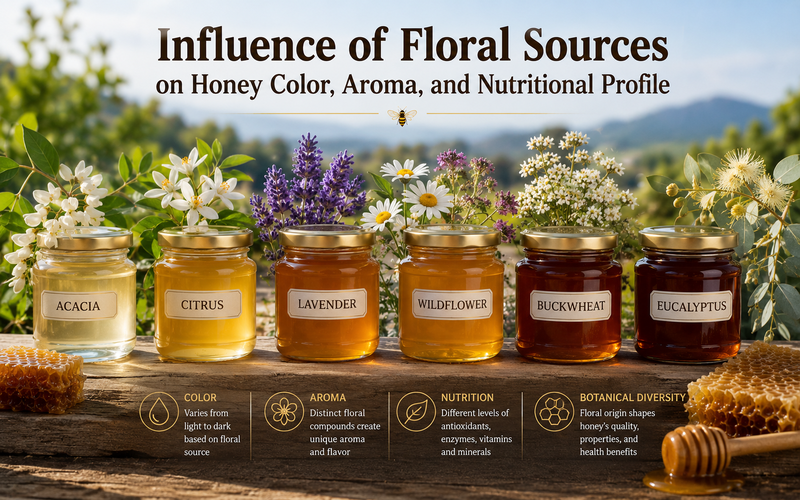
Influence of Floral Sources on Honey Color, Aroma, and Nutritional Profile
Honey is far more chemically diverse than its familiar golden appearance suggests. Although honey is primarily composed of sugars and water, its smaller fraction of organic acids, minerals, enzymes, amino acids, phenolic compounds, pigments, and volatile substances gives each honey its distinctive color, aroma, flavor, and functional characteristics.One of the strongest determinants of this variation is the floral source from which honeybees collect nectar. Honeys derived predominantly from different plants can differ substantially in physicochemical properties, volatile compounds, phenolic profiles, mineral composition, and antioxidant activity. Recent research continues to demonstrate that botanical origin can be an important factor in distinguishing honey varieties and understanding their nutritional and sensory characteristics.This research examines how floral sources influence three important dimensions of honey quality: color, aroma, and nutritional profile.What Is Floral Origin in Honey?Floral origin refers to the plant or group of plants from which bees obtain the nectar used to produce honey.Honey can broadly be categorized as:Monofloral honey: Produced predominantly from nectar associated with one botanical source.Multifloral honey: Produced from nectar collected from multiple plant species.Honeydew honey: Produced primarily from honeydew rather than floral nectar.The botanical origin does not act alone. Geography, climate, soil conditions, bee foraging behavior, harvesting practices, processing, and storage can also modify honey's final composition. Consequently, even honeys associated with the same plant species may not be chemically identical.How Floral Sources Influence Honey ColorHoney can range from almost colorless and pale yellow to amber, dark brown, or reddish tones. Botanical origin is an important contributor to this variation, although processing, temperature, storage time, and other environmental factors can also influence color.Pigments and Phenolic CompoundsPlant-derived compounds entering honey through nectar can influence its optical characteristics. Phenolic acids, flavonoids, carotenoid-related compounds, and other pigments contribute to differences in color among honey varieties.Research has found an association between honey color and its phenolic composition. In many datasets, darker honeys tend to show greater concentrations of phenolic compounds and stronger antioxidant activity, although this relationship is not universal enough for color alone to determine nutritional quality.Why Honey Color MattersColor is important for both consumers and the honey industry because it can influence:Consumer perceptionSensory expectationsProduct classificationFloral-origin characterizationMarket positioningHowever, color should not be interpreted as a definitive indicator of purity or health value. A darker honey is not automatically "better" than a lighter honey.Floral Sources and Honey AromaAroma is one of the most distinctive characteristics separating honey varieties.The aromatic profile of honey is generated by a complex mixture of volatile organic compounds (VOCs) that may originate from plants, nectar, bee metabolism, and chemical transformations occurring during processing and storage.These compounds can produce sensory impressions described as:FloralFruityCitrus-likeHerbalWoodySpicyCaramel-likeNuttyFloral-Specific Volatile FingerprintsCertain volatile compounds can serve as chemical markers associated with particular botanical sources. Research has shown that volatile profiles can help differentiate monofloral honeys and contribute to the authentication of botanical origin.For example, honeys associated with citrus, lavender, eucalyptus, thyme, buckwheat, acacia, and other floral sources can develop distinctive aromatic profiles.However, the relationship is complex. The same floral source can produce different volatile profiles depending on geographical location, climate, season, processing, and storage conditions. Therefore, researchers generally use multiple chemical and sensory indicators rather than relying on one aroma compound.Influence on Nutritional and Functional CompositionThe nutritional profile of honey extends beyond its carbohydrates. Although sugars account for most of its composition, minor constituents can have important nutritional and functional significance.Floral origin can influence several of these components.Phenolic CompoundsPhenolic acids and flavonoids are among the most extensively studied bioactive compounds in honey.They are associated with:Antioxidant activitySensory characteristicsBotanical-origin identificationPotential biological activityA comprehensive survey of monofloral honeys found that phenolic compounds vary substantially among botanical sources, with many plant-derived phenolics serving as potential floral markers.Flavonoids and Antioxidant ActivityFlavonoid concentration can vary considerably between honey types. Research comparing different unifloral and multifloral honeys has reported substantial differences in total phenolic and flavonoid content, with relationships observed between these compounds and antioxidant activity.This means that the plant source can contribute to differences in the antioxidant profile of honey.Nevertheless, antioxidant measurements should not be interpreted as direct evidence that one honey variety will produce a particular health outcome in humans. Laboratory antioxidant capacity is only one component of nutritional and biological assessment.Minerals and Botanical OriginHoney contains numerous mineral elements in trace quantities, and their concentrations can be influenced by botanical and geographical conditions.Mineral composition may reflect:Soil mineral availabilityPlant uptakeEnvironmental conditionsBotanical sourceGeographic originRecent reviews identify mineral composition, electrical conductivity, phenolic compounds, pollen, sugars, and other chemical characteristics as useful parameters for differentiating honey origins.This also illustrates why botanical origin and geographic origin are closely connected in honey research.Organic Acids and TasteOrganic acids contribute to honey's acidity and sensory character. Their concentrations can vary according to botanical origin and other production factors.Acidity can influence:TasteFlavor balanceMicrobial stabilitySensory perceptionResearch reviews indicate that organic acid composition is substantially influenced by botanical origin, adding another layer of differentiation between honey varieties.Comparative Influence of Selected Floral SourcesDifferent floral sources can produce noticeably different honey characteristics. The following comparison is a general characterization rather than a universal rule, because geography, climate, harvest conditions, and processing can alter the final product.Floral SourceTypical Color TendenciesAroma/Flavor CharacteristicsResearch InterestAcaciaVery pale to light amberMild, delicate, floralBotanical authentication and physicochemical profilingCitrusLight to amberFresh, citrus-floralVolatile compounds and aroma profilingLavenderLight amberDistinctive floral, herbalAroma and phenolic compositionBuckwheatDark brownStrong, malty, earthyHigh phenolic and antioxidant research interestEucalyptusAmber to darker tonesHerbal, woody, characteristicVolatile and bioactive compound profilingHeatherAmber to darkRich, floral, sometimes earthyFlavonoid and antioxidant studiesMultifloralHighly variable
| Created at: August 20, 2026 | Researched at: August 20, 2026
Read more →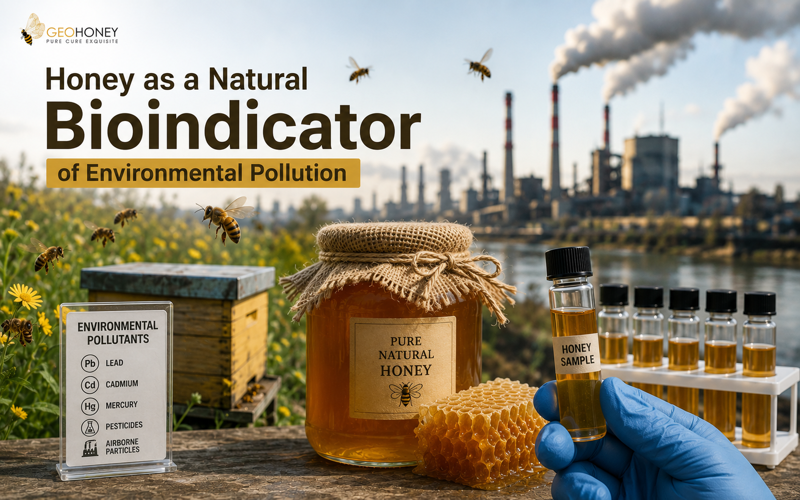
Honey as a Natural Bioindicator of Environmental Pollution
Environmental pollution has become one of the most pressing global challenges, affecting ecosystems, biodiversity, agriculture, and human health. Conventional environmental monitoring methods often require costly equipment and extensive field sampling. As a result, scientists have increasingly explored natural bioindicators that can provide reliable information about environmental quality. Among these, honey has emerged as an effective natural bioindicator of environmental pollution.Honey reflects the quality of the environment in which honeybees forage. During nectar and pollen collection, bees interact with air, water, soil, and vegetation across large geographic areas, inadvertently gathering traces of environmental contaminants. By analysing honey, researchers can assess pollution levels while gaining valuable insights into ecosystem health. This article examines the scientific basis for using honey as a bioindicator, the types of pollutants detected, analytical techniques, and its applications in environmental monitoring.Understanding BioindicatorsA bioindicator is a living organism or biological material used to evaluate the condition of an environment. Bioindicators respond to environmental changes by accumulating pollutants or exhibiting measurable biological responses.Honey is considered an excellent bioindicator because:Honeybees forage within a radius of 2–5 km around their hives.They collect nectar, pollen, water, and plant resins from diverse ecosystems.Honey integrates environmental information over an extended period.Sampling honey is non-destructive and environmentally friendly.Why Honey Reflects Environmental QualityDuring foraging, honeybees encounter pollutants deposited on flowers, leaves, airborne particles, and water sources. Small quantities of these contaminants can become incorporated into honey.Factors influencing honey composition include:Floral diversitySoil characteristicsAtmospheric conditionsAgricultural practicesIndustrial emissionsUrban developmentConsequently, honey serves as a natural archive of environmental conditions surrounding the hive.Environmental Pollutants Detected in HoneyHeavy MetalsHoney can accumulate trace amounts of heavy metals originating from industrial emissions, mining activities, traffic, and contaminated soils.Commonly monitored metals include:Lead (Pb)Cadmium (Cd)Mercury (Hg)Arsenic (As)Chromium (Cr)Nickel (Ni)Elevated concentrations may indicate long-term environmental contamination.Pesticide ResiduesAgricultural chemicals represent another important category of contaminants detected in honey.Researchers commonly investigate residues from:InsecticidesHerbicidesFungicidesNeonicotinoid pesticidesMonitoring these compounds helps evaluate agricultural pollution and pollinator exposure.Persistent Organic Pollutants (POPs)Honey may contain low concentrations of persistent environmental chemicals, including:Polychlorinated biphenyls (PCBs)DioxinsPolycyclic aromatic hydrocarbons (PAHs)Although concentrations are typically low, their detection provides important information about long-term environmental contamination.Airborne Particulate PollutionHoney can also reflect atmospheric pollution through the deposition of airborne particles on flowers visited by honeybees.Sources include:Vehicle emissionsIndustrial smokePower plantsConstruction activitiesScientific Methods for Honey AnalysisEnvironmental monitoring requires highly sensitive laboratory techniques capable of detecting contaminants at trace levels.Common analytical methods include:Inductively Coupled Plasma Mass Spectrometry (ICP-MS)Used to quantify heavy metals with exceptional sensitivity.Gas Chromatography–Mass Spectrometry (GC-MS)Widely employed for identifying pesticide residues and organic pollutants.Liquid Chromatography–Mass Spectrometry (LC-MS/MS)Provides accurate detection of multiple chemical contaminants simultaneously.Atomic Absorption Spectroscopy (AAS)Frequently used for routine heavy metal analysis in environmental samples.These techniques allow researchers to compare pollution levels across regions and monitor changes over time.Applications of Honey in Environmental MonitoringUrban Pollution AssessmentHoney collected from urban apiaries often reflects contamination associated with traffic emissions, industrial activities, and construction.Researchers use urban honey to evaluate:Air qualityHeavy metal distributionIndustrial pollution hotspotsAgricultural MonitoringHoney serves as an effective indicator of agricultural chemical use by revealing pesticide residues originating from nearby farming operations.Monitoring supports:Sustainable farming practicesPollinator protectionFood safety assessmentsIndustrial Impact StudiesApiaries located near industrial zones provide valuable information about environmental contamination caused by manufacturing activities.Scientists can identify:Heavy metal accumulationAtmospheric pollutionChanges in environmental quality over timeLong-Term Environmental SurveillanceBecause honey is produced annually, it enables long-term monitoring of pollution trends.Repeated sampling helps researchers evaluate:Effectiveness of pollution control measuresEnvironmental recoveryEmerging contamination risksAdvantages of Using Honey as a BioindicatorHoney offers several scientific and practical advantages:Non-invasive sampling methodCost-effective environmental monitoringWide geographical coverage through bee foragingSimultaneous detection of multiple contaminantsSupports biodiversity and ecosystem health assessmentsProvides valuable data for environmental policy developmentLimitations and ChallengesDespite its advantages, honey-based monitoring has limitations:Natural variation due to botanical originSeasonal differences in nectar availabilityRegional climate influencesNeed for standardized sampling protocolsVariability in analytical methodologiesCombining honey analysis with complementary environmental assessments improves monitoring accuracy.Future PerspectivesEmerging technologies are enhancing honey's role in environmental science.Promising research areas include:Artificial intelligence for pollution predictionGeographic Information Systems (GIS) mappingRemote sensing integrationBlockchain-based environmental traceabilityMulti-contaminant environmental surveillanceClimate change impact assessmentsThese innovations are expected to improve environmental monitoring while strengthening food safety and ecosystem conservation.ConclusionHoney has become a valuable natural bioindicator for assessing environmental pollution due to its unique connection with the surrounding ecosystem. By analysing contaminants accumulated during honeybee foraging, researchers can evaluate air quality, agricultural practices, industrial emissions, and overall ecosystem health. As analytical technologies continue to advance, honey-based environmental monitoring will play an increasingly important role in pollution assessment, sustainable land management, and biodiversity conservation. Protecting honeybees not only safeguards pollination services but also preserves one of nature's most effective tools for monitoring environmental quality.
| Created at: July 15, 2026 | Researched at: July 15, 2026
Read more →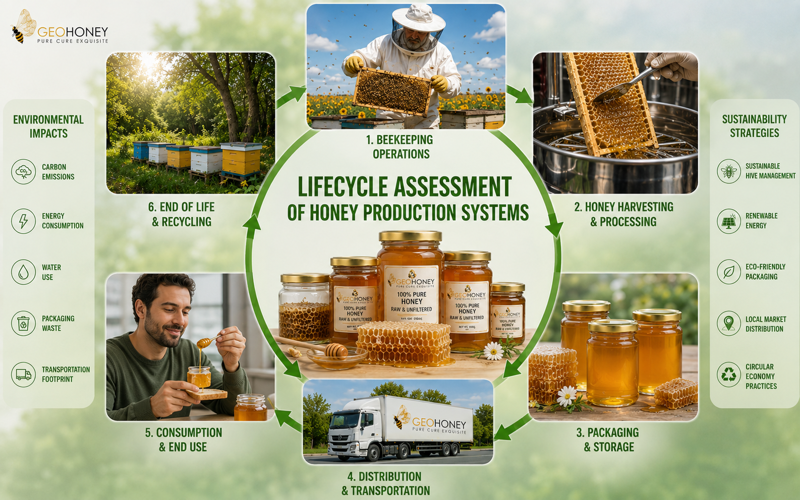
Lifecycle Assessment of Honey Production Systems
As global demand for natural and sustainably sourced foods continues to rise, understanding the environmental footprint of honey production has become increasingly important. Lifecycle Assessment (LCA) is a scientific methodology used to evaluate the environmental impacts associated with a product throughout its entire lifecycle, from resource extraction and production to distribution and end use. In apiculture, LCA provides valuable insights into the sustainability of honey production systems, helping producers, policymakers, and consumers make informed decisions. This research examines the lifecycle assessment of honey production systems, identifying key environmental impacts, resource requirements, and opportunities for sustainable improvement.Understanding Lifecycle Assessment (LCA)Lifecycle Assessment is a standardized environmental evaluation framework that examines:Resource consumptionEnergy useGreenhouse gas emissionsWater utilizationWaste generationTransportation impactsThe objective is to quantify environmental burdens across all stages of production and identify areas where sustainability can be improved.Stages of Honey Production LifecycleRaw Material and Equipment ProductionThe lifecycle begins with the manufacture of:BeehivesProtective clothingHoney extraction equipmentPackaging materialsEnvironmental impacts during this stage include:Energy consumptionMaterial extractionManufacturing emissionsWooden hives generally have lower environmental impacts compared to synthetic alternatives due to renewable material sourcing.Hive Management and Beekeeping OperationsRoutine beekeeping activities require:Hive inspectionsColony managementSupplemental feeding (when necessary)Disease and pest controlMajor environmental considerations include:Fuel use for transportationResource inputs for colony maintenanceVeterinary treatmentsEfficient hive management can significantly reduce operational emissions.Honey Harvesting and ProcessingHarvesting involves:Honey extractionFiltrationStoragePackaging preparationEnvironmental impacts vary depending on:Processing intensityElectricity consumptionEquipment efficiencyMinimally processed honey generally requires less energy than highly processed commercial honey products.Packaging and DistributionPackaging materials commonly include:Glass jarsPlastic containersMetal lidsLabels and shipping materialsDistribution contributes significantly to lifecycle emissions due to:Transportation fuel consumptionLong-distance exportsCold storage requirements in some marketsPackaging selection and logistics optimization strongly influence overall environmental performance.Environmental Impact CategoriesCarbon FootprintCarbon emissions arise from:Equipment manufacturingTransportationProcessing activitiesPackaging productionStudies consistently identify transportation and packaging as major contributors to honey's carbon footprint.Energy ConsumptionEnergy inputs occur throughout the production chain, particularly during:Equipment manufacturingHoney extractionProcessingDistributionRenewable energy adoption can substantially reduce lifecycle energy impacts.Water FootprintAlthough honey production generally requires less water than many agricultural commodities, water is still consumed indirectly through:Equipment cleaningProcessing operationsPackaging manufacturingEfficient water management improves sustainability outcomes.Waste GenerationSources of waste include:Damaged equipmentPackaging materialsProcessing residuesCircular economy approaches can help reduce waste and improve resource efficiency.Comparative Sustainability of Honey Production SystemsSmall-Scale Beekeeping SystemsAdvantages:Lower processing intensityReduced industrial resource consumptionGreater emphasis on local marketsChallenges:Lower production efficiencyLimited economies of scaleCommercial Honey Production SystemsAdvantages:Higher production efficiencyImproved logistics networksStandardized quality controlChallenges:Increased transportation emissionsHigher packaging requirementsGreater energy consumptionOrganic Honey Production SystemsOrganic systems often demonstrate environmental benefits through:Reduced chemical inputsEnhanced biodiversity conservationImproved ecosystem servicesHowever, certification and monitoring may increase operational requirements.Strategies for Reducing Environmental ImpactSustainable Packaging SolutionsUsing recyclable and biodegradable packaging materials can significantly reduce lifecycle emissions.Transportation OptimizationLocal sourcing and efficient logistics reduce fuel consumption and greenhouse gas emissions.Renewable Energy IntegrationSolar-powered extraction facilities and renewable energy systems can lower operational carbon footprints.Sustainable Hive ManagementMaintaining healthy colonies minimizes resource inputs and improves production efficiency.Circular Economy ApproachesReusing wax, recycling packaging, and minimizing waste contribute to long-term sustainability.Economic and Ecological Benefits of Sustainable Honey Production
| Created at: June 19, 2026 | Researched at: June 19, 2026
Read more →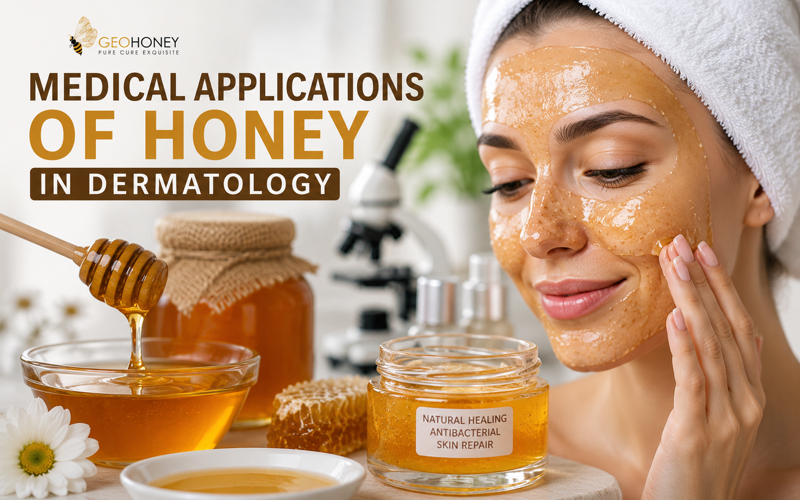
Medical Applications of Honey in Dermatology
Honey has been used in traditional medicine for centuries due to its antimicrobial, anti-inflammatory, and wound-healing properties. In modern dermatology, scientific research increasingly supports the therapeutic potential of honey in managing various skin conditions. Rich in bioactive compounds, enzymes, antioxidants, and natural sugars, honey provides multiple dermatological benefits ranging from wound care to skin hydration and infection management. This article explores the medical applications of honey in dermatology, highlighting its mechanisms, clinical relevance, and future therapeutic potential.Bioactive Properties of Honey Relevant to DermatologyAntimicrobial ActivityHoney exhibits broad-spectrum antimicrobial effects against bacteria, fungi, and certain viruses. Its antimicrobial properties are linked to:Low pH levelsHigh osmotic pressureHydrogen peroxide productionNatural phytochemicals and flavonoidsThese characteristics make honey effective in reducing microbial growth on damaged skin and infected wounds.Anti-Inflammatory EffectsInflammation is a key factor in many dermatological conditions. Honey helps reduce inflammation by:Lowering oxidative stressModulating inflammatory responsesSupporting tissue regenerationThis contributes to reduced redness, swelling, and skin irritation.Antioxidant PropertiesHoney contains antioxidants such as phenolic acids and flavonoids that help neutralise free radicals, protecting skin cells from oxidative damage associated with ageing and environmental stress.Honey in Wound HealingAccelerated Tissue RepairHoney promotes wound healing by maintaining a moist wound environment and stimulating tissue regeneration.Clinical observations show that honey may help:Improve granulation tissue formationEnhance epithelial regenerationReduce wound healing timeManagement of BurnsMedical-grade honey has been widely studied in burn treatment.Benefits include:Reduced infection riskFaster healing of superficial burnsLower scarring potentialReduced pain and inflammationHoney dressings are increasingly used in burn care due to their soothing and antimicrobial effects.Treatment of Chronic WoundsHoney has shown potential in managing:Diabetic ulcersPressure soresSurgical woundsNon-healing skin lesionsIts antibacterial action helps control infection while supporting tissue repair.Dermatological Applications Beyond Wound CareAcne ManagementHoney’s antimicrobial and anti-inflammatory properties may help reduce acne-causing bacteria and calm irritated skin.Potential benefits:Reduced bacterial colonisationLower inflammationImproved skin hydrationEczema and DermatitisHoney may provide symptomatic relief in inflammatory skin conditions such as eczema and dermatitis.Research suggests honey can:Reduce itching and rednessImprove skin barrier functionSupport hydration in dry skin conditionsAntifungal ApplicationsCertain honey varieties demonstrate antifungal activity against skin fungi associated with:RingwormAthlete’s footFungal dermatitisCosmetic and Skincare ApplicationsSkin Hydration and MoisturisationNatural sugars and humectant properties help retain moisture in the skin, making honey valuable in skincare formulations.Anti-Ageing PotentialHoney’s antioxidants may help:Reduce oxidative stressImprove skin textureMinimise visible signs of ageingPost-Procedure Skin RecoveryHoney-based formulations are increasingly explored for supporting recovery after dermatological procedures.Advantages of Honey-Based Dermatological TreatmentsCompared to some conventional topical treatments, honey offers:Natural antimicrobial protectionReduced risk of microbial resistanceMulti-functional therapeutic effectsBiocompatibility with skin tissueChallenges and Research ConsiderationsDespite promising applications, challenges remain:Variability in honey compositionLack of standardisation among commercial productsNeed for large-scale clinical trialsRisk of contamination in non-medical-grade honeyMedical-grade honey is generally preferred in clinical settings due to quality control and sterilisation.Future Perspectives in DermatologyEmerging research is exploring:Honey-infused wound dressingsNanotechnology-based honey formulationsCombination therapies with antimicrobial agentsBioengineered honey compounds for advanced skin treatmentsThese innovations may expand honey’s role in evidence-based dermatological care.ConclusionHoney possesses significant therapeutic potential in dermatology due to its antimicrobial, anti-inflammatory, antioxidant, and wound-healing properties. From burn treatment and chronic wound care to acne and skincare applications, honey continues to gain recognition as a valuable natural dermatological agent. Continued research and clinical standardisation will further strengthen its role in modern skin therapy and regenerative medicine.
| Created at: May 22, 2026 | Researched at: May 22, 2026
Read more →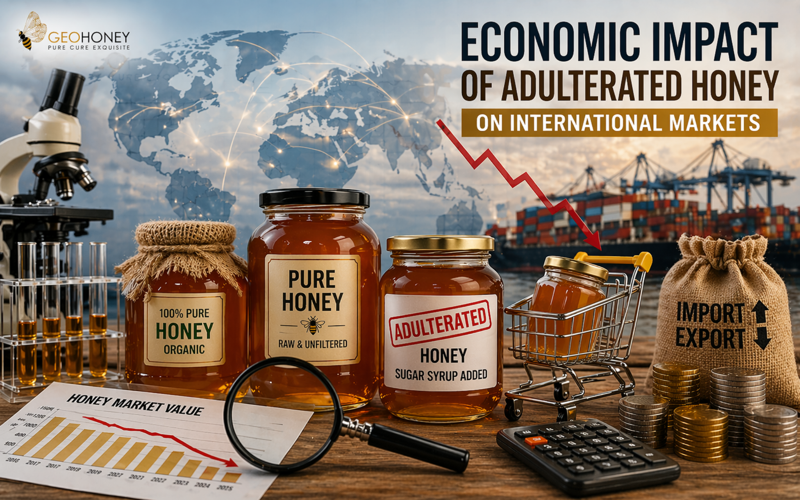
Economic Impact of Adulterated Honey on International Markets
Honey is one of the world’s most traded natural food products, valued for its nutritional, medicinal, and commercial importance. However, honey adulteration, the addition of cheaper sugar syrups, mislabeling of origin, or fraudulent blending has become a major global trade concern. Researchers and market reports consistently identify adulterated honey as a threat to fair pricing, consumer trust, beekeeper livelihoods, and international trade stability. This article examines the economic impact of adulterated honey on international markets, highlighting how fraud distorts supply chains and damages authentic producers.Understanding Honey AdulterationHoney adulteration typically includes:Mixing honey with corn, rice, beet, or cane syrupsFalse labeling of floral or geographic originOver-processing to mask poor qualityRe-exporting honey through third countries to disguise the sourceBecause honey commands premium prices, it remains highly vulnerable to economically motivated adulteration.Price Distortion in Global MarketsFraudulent honey is often sold below the true production cost of authentic honey, creating artificial price pressure across global markets.Key Economic Effects:Genuine producers struggle to compete with cheaper, adulterated importsWholesale honey prices fall below sustainable levelsMarket volatility increases for exporters and packersSmall-scale beekeepers face declining profitabilityIndustry reports describe widespread adulteration as a major factor behind price declines affecting producers in North America and Europe.Losses for Beekeepers and Rural EconomiesBeekeeping supports millions of livelihoods through honey sales, wax, pollination services, and rural employment. When fake honey floods markets:Authentic beekeepers lose incomeHive numbers may decline as operations become unprofitableRural employment opportunities shrinkInvestment in sustainable beekeeping decreasesInvestigations have linked falling honey prices to financial stress among beekeepers in producing regions.Consumer Trust and Brand DamageOnce consumers suspect honey fraud, they may reduce purchases or shift only to trusted premium brands.Market Consequences:Lower confidence in imported honeyHigher marketing costs for honest brandsGrowth of niche/local honey marketsIncreased demand for certified authenticity labelsRecent UK reporting highlighted authenticity concerns after multiple retail samples were flagged as suspicious, intensifying scrutiny of the honey supply chain.Rising Compliance and Testing CostsTo combat fraud, governments and companies increasingly invest in:Nuclear Magnetic Resonance (NMR) screeningIsotope ratio testingDNA and traceability systemsAudits and origin verificationAdvanced machine learning authentication toolsThese measures improve market confidence but increase operating costs for importers, exporters, and retailers.Trade Barriers and Regulatory PressureHoney adulteration can trigger:Import rejectionsCustoms delaysAnti-dumping investigationsStricter labeling regulationsLoss of preferred market accessThe EU has expanded scrutiny and labeling reforms to improve honey transparency and combat fraud.Long-Term Environmental CostsWhen authentic honey becomes less profitable:Beekeepers may reduce colony numbersPollination services can weakenAgricultural productivity may sufferBiodiversity support declinesThus, honey fraud creates not only financial harm but also broader ecological risks.Mitigation Strategies for International MarketsStronger Testing StandardsHarmonised global authenticity testing reduces loopholes.Transparent Origin LabelingClear country-of-origin disclosure improves buyer confidence.Digital TraceabilityBlockchain and supply-chain data systems can verify movement and source.Support for Authentic ProducersPremium certification programs help real beekeepers compete fairly.International CooperationCross-border enforcement is essential because fraud often spans multiple countries.ConclusionThe economic impact of adulterated honey on international markets is substantial. Fraud suppresses prices, harms beekeepers, erodes consumer confidence, increases regulatory costs, and destabilises trade. Protecting the global honey market requires stronger testing, transparent labeling, and coordinated enforcement. Ensuring honey authenticity is essential not only for fair commerce, but for the long-term sustainability of beekeeping and food systems worldwide.
| Created at: April 23, 2026 | Researched at: April 23, 2026
Read more →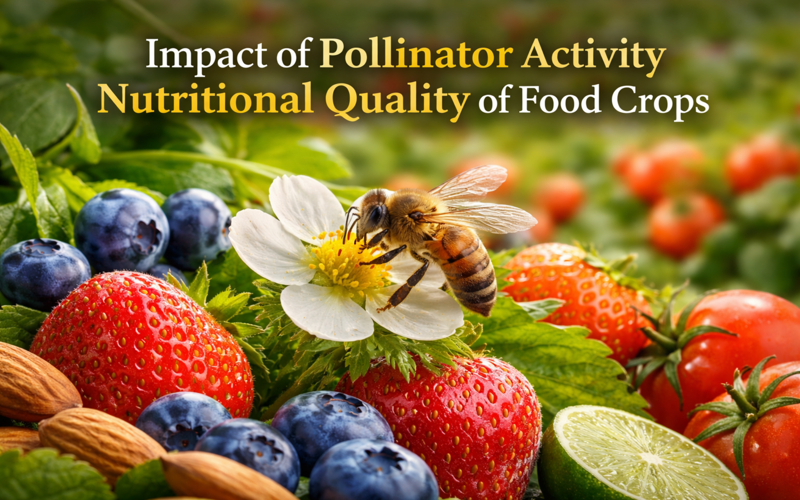
Impact of Pollinator Activity on Nutritional Quality of Food Crops
Pollinators such as honeybees, wild bees, butterflies, birds, and bats are fundamental to agricultural productivity and ecosystem stability. Beyond improving crop yield, pollination also influences the nutritional composition of many fruits, vegetables, nuts, and seeds. Scientific research increasingly shows that effective pollinator activity can enhance vitamin levels, mineral concentration, seed quality, and overall food nutritional value. Understanding this relationship is essential for ensuring sustainable agriculture and global food security.Role of Pollinators in Crop ReproductionPollinators transfer pollen between flowers, enabling fertilisation and seed formation. This process determines not only the quantity of crops produced but also their quality and nutrient density.Globally:Approximately 75% of flowering plant species rely on animal pollinators.Around 35% of global crop production depends on pollination services.Without adequate pollination, many crops produce smaller, less nutritious fruits and seeds.Influence of Pollination on Nutritional ContentIncreased Vitamin ConcentrationPollination can significantly influence the concentration of vitamins in food crops. Studies have found that pollinator-dependent crops such as fruits and vegetables often contain higher levels of:Vitamin CVitamin A precursors (carotenoids)Vitamin EImproved fertilisation results in better fruit development and increased nutrient accumulation.Enhanced Mineral ContentEffective pollination can also affect mineral uptake and distribution in crops. Pollinated plants often show increased concentrations of:CalciumMagnesiumPotassiumIronThese minerals contribute to better plant development and higher nutritional value for consumers.Improved Protein and Fat Composition in SeedsPollination plays a crucial role in the development of nutrient-rich seeds and nuts. Adequate pollination leads to:Higher protein levels in legumes and oilseedsImproved fatty acid composition in nutsIncreased seed weight and qualityThese improvements are particularly important for crops that serve as primary protein sources in many regions.Effects on Crop Quality and Market ValuePollinator activity not only improves nutrient content but also enhances the physical quality of agricultural produce, including:Larger fruit sizeBetter shape and uniformityHigher sugar contentImproved shelf lifeHigh-quality produce often commands better prices in agricultural markets, providing economic benefits to farmers.Crops Highly Dependent on PollinatorsSeveral nutritionally important crops rely heavily on pollinators, including:ApplesAlmondsBlueberriesCucumbersPumpkinsAvocadosThese crops provide essential nutrients for human diets, highlighting the importance of protecting pollinator populations.Consequences of Pollinator DeclineDeclining pollinator populations can negatively affect crop nutrition. Reduced pollination can result in:Lower vitamin and mineral levels in produceReduced crop yieldsPoor fruit and seed developmentIncreased vulnerability to food insecurityStudies suggest that declining pollination services could reduce the availability of key micronutrients in human diets, particularly in regions dependent on pollinator-dependent crops.Strategies to Support Pollinator Activity in AgriculturePollinator-Friendly FarmingPlanting wildflowers, hedgerows, and diverse flowering crops provides essential food sources for pollinators.Reduced Pesticide UseLimiting harmful pesticides helps maintain healthy pollinator populations.Habitat ConservationProtecting natural habitats ensures pollinators have safe nesting and foraging environments.Sustainable BeekeepingResponsible beekeeping practices support pollination services while maintaining colony health.Future Research DirectionsFurther studies are needed to understand the complex relationship between pollination and crop nutrition. Advances in ecological monitoring, agricultural science, and pollinator conservation can help optimise pollination services for improved food quality.ConclusionPollinator activity plays a critical role in enhancing not only crop yields but also the nutritional quality of food crops. Healthy pollinator populations contribute to improved vitamin content, mineral concentration, and overall food quality. Protecting pollinators is therefore essential for sustaining agricultural productivity, improving human nutrition, and ensuring global food security.
| Created at: March 31, 2026 | Researched at: March 31, 2026
Read more →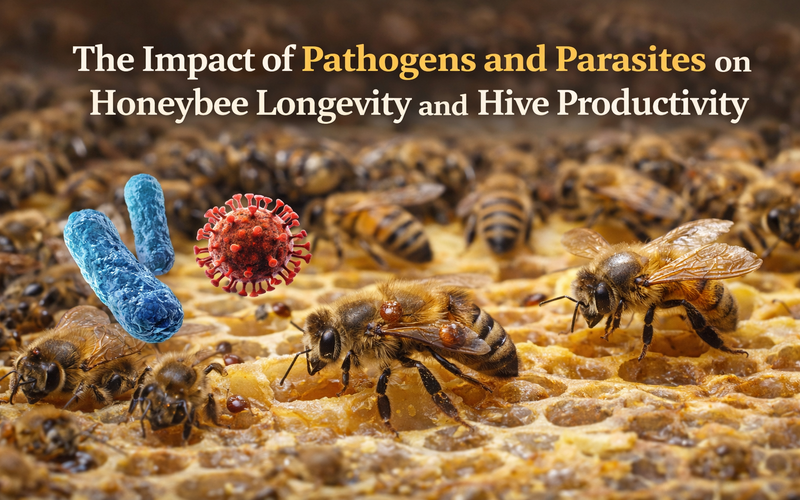
The Impact of Pathogens and Parasites on Honeybee Longevity and Hive Productivity
Honeybees (Apis mellifera) play a fundamental role in pollination and agricultural productivity. However, honeybee populations worldwide are increasingly threatened by pathogens and parasites that compromise their health, longevity, and overall hive performance. These biological stressors weaken immune systems, disrupt colony dynamics, and significantly reduce honey production. This research examines the impact of pathogens and parasites on honeybee lifespan and hive productivity, highlighting their implications for sustainable apiculture.Major Pathogens Affecting Honeybee HealthViral InfectionsHoneybees are susceptible to several viruses that impair physiological and behavioural functions. Viral pathogens often spread rapidly within colonies through direct contact, contaminated food sources, and parasitic vectors.Viral infections reduce foraging efficiency and flight enduranceInfected bees exhibit shortened lifespansColony immunity weakens under viral stressStudies indicate that viral infections can reduce honeybee longevity by up to 30–50%, limiting their contribution to pollination and hive maintenance.Bacterial DiseasesBacterial infections affect both brood and adult bees, disrupting colony growth and survival.Brood mortality rates increase due to bacterial contaminationColony population declines rapidlyHoney production decreases due to workforce lossThese infections often require early detection and management to prevent widespread colony collapse.Fungal PathogensFungal infections thrive in humid hive environments and negatively affect larval development.Reduced brood survival ratesSlower colony growthIncreased susceptibility to secondary infectionsPoor hive ventilation and environmental stress often exacerbate fungal outbreaks.Parasitic Threats to Honeybee ColoniesMite InfestationsParasitic mites are among the most damaging threats to honeybee colonies.Mites feed on bee haemolymph and weaken immune systemsAct as vectors for viral transmissionIncrease colony stress and mortalityInfested colonies may experience productivity losses of up to 40%, significantly affecting honey yield and pollination capacity.Protozoan ParasitesInternal parasites attack the digestive systems of honeybees.Reduced nutrient absorptionImpaired digestion and metabolismDecreased energy levels for foragingAffected bees often demonstrate reduced lifespan and diminished work efficiency within the hive.Effects on Honeybee LongevityPathogen and parasite exposure leads to:Shortened adult lifespanReduced resistance to environmental stressImpaired cognitive functions such as navigation and communicationA decline in worker bee longevity directly limits colony productivity and increases turnover rates.Impact on Hive ProductivityReduced Foraging ActivityWeakened bees collect less nectar and pollen, leading to:Lower honey reservesDecreased brood nourishmentReduced wax productionColony Population DeclineHigh infection rates result in:Increased mortality among worker beesFewer brood reaching maturityDisruption of colony hierarchyDecreased Honey YieldHive productivity is directly correlated with colony health. Disease-affected colonies may produce significantly less honey due to reduced workforce efficiency.Economic and Ecological ImplicationsDeclining honeybee productivity affects:Agricultural crop pollinationHoney supply chainsBiodiversity and ecosystem stabilityReduced pollination services threaten global food security and increase economic risks for beekeepers and farmers alike.Mitigation and Disease Management StrategiesRegular Hive MonitoringRoutine inspection helps detect early signs of disease and parasite infestation.Hygienic Beekeeping PracticesMaintaining clean equipment and proper ventilation reduces pathogen spread.Integrated Pest ManagementCombining biological, mechanical, and chemical control methods minimises parasite impact.Selective BreedingBreeding disease-resistant bee strains enhances colony resilience.ConclusionPathogens and parasites represent a major threat to honeybee longevity and hive productivity. Addressing these challenges through improved monitoring, sustainable hive management, and disease control strategies is essential for maintaining healthy bee populations and ensuring long-term agricultural sustainability.
Multiple | Created at: February 20, 2026 | Researched at: March 30, 2026
Read more →
Pollinator Decline: Ecological Consequences and Mitigation Strategies
Pollinators, including honeybees, wild bees, butterflies, birds, and bats, are essential for ecosystem stability and food security. Scientific assessments show that pollinators support nearly 75% of flowering plant species and contribute to approximately 35% of global crop production. Despite their importance, pollinator populations are declining at alarming rates worldwide. This article examines the ecological consequences of pollinator decline and outlines evidence-based mitigation strategies to address this growing environmental challenge.Importance of Pollinators in EcosystemsPollination enables plant reproduction, genetic diversity, and ecosystem resilience. Globally, pollination services contribute an estimated USD 235–577 billion annually to agricultural productivity. Beyond food crops, pollinators support forest regeneration, soil stability, and carbon sequestration, making them indispensable to both natural and managed ecosystems.Key Drivers of Pollinator DeclineHabitat Loss and FragmentationUrban expansion, deforestation, and intensive land use have eliminated major foraging and nesting habitats. Habitat degradation is one of the primary reasons pollinator species have declined in over 40% of regions globally.Pesticide and Agrochemical ExposureExposure to pesticides, particularly neonicotinoids, can reduce pollinator survival by up to 50%. Sublethal exposure affects navigation, learning, and immune response, weakening colony resilience.Climate ChangeClimate change has altered flowering timelines by 2–3 weeks in many regions, causing mismatches between pollinators and nectar availability. Rising temperatures and extreme weather events further disrupt pollinator life cycles.Pathogens and ParasitesPollinators face increasing pressure from parasites and diseases, contributing to annual managed honeybee colony losses of 20–40% in several countries.Monoculture FarmingLarge-scale monoculture systems reduce floral diversity and nutritional intake, increasing vulnerability to disease and environmental stress.Ecological Consequences of Pollinator DeclineLoss of Plant BiodiversityPollinator decline can reduce seed and fruit production by up to 90% in pollinator-dependent plants, threatening native vegetation and ecosystem balance.Disrupted Food ChainsReduced plant reproduction affects herbivores and higher trophic levels, leading to cascading ecological disruptions across entire food webs.Agricultural Yield ReductionWithout effective pollination, crop yields can decline by 5–30%, particularly for fruits, nuts, and vegetables. This threatens food availability and increases economic instability.Genetic ErosionLimited cross-pollination reduces genetic diversity, making plant populations more susceptible to disease, pests, and climate stress.Mitigation Strategies for Pollinator ConservationHabitat Restoration and Floral DiversityRestoring wildflower corridors and native vegetation has been shown to increase pollinator activity by up to 60%, providing essential forage and nesting sites.Sustainable Agricultural PracticesReducing pesticide use and adopting integrated pest management can improve pollinator survival rates by 30% or more, while promoting long-term ecosystem health.Climate-Resilient Land ManagementProtecting climate refuges and supporting adaptive conservation planning enhances pollinator resilience under changing environmental conditions.Support for Ethical and Sustainable BeekeepingResponsible hive management, disease monitoring, and biodiversity-focused practices improve pollination efficiency and colony health.Policy, Research, and Public AwarenessScience-based regulations, education initiatives, and long-term research funding are critical for reversing pollinator decline at regional and global levels.Long-Term Ecological and Economic BenefitsHealthy pollinator populations enhance ecosystem resilience, stabilise crop yields, improve soil health, and support biodiversity conservation. Protecting pollinators delivers long-term benefits for agriculture, environmental sustainability, and food security.ConclusionPollinator decline represents a serious ecological and economic threat, with consequences extending far beyond agriculture. Addressing this issue requires integrated mitigation strategies, habitat protection, sustainable farming, and global collaboration. By implementing evidence-based solutions, it is possible to restore pollinator populations and preserve the ecosystems that depend on them.
Multiple | Created at: January 09, 2026 | Researched at: March 30, 2026
Read more →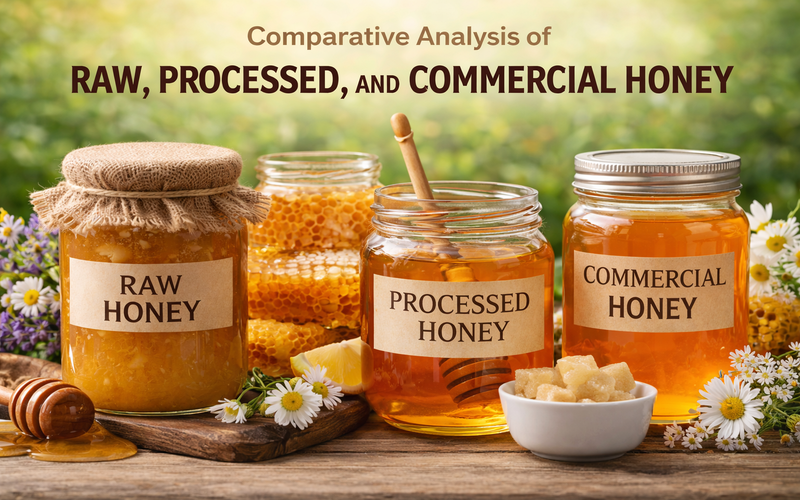
Comparative Analysis of Raw, Processed, and Commercial Honey Varieties
Honey has been valued for centuries as both a natural sweetener and a therapeutic food. However, not all honey available in the market is the same. Differences in processing methods significantly influence honey’s nutritional value, bioactive compounds, safety, and overall quality. This article presents a comparative analysis of raw, processed, and commercial honey varieties, highlighting their chemical composition, health benefits, and practical applications.Understanding Honey Processing LevelsHoney classification is primarily based on the degree of filtration, heating, and industrial handling it undergoes before reaching consumers.Raw HoneyRaw honey is extracted directly from honeycombs and minimally strained to remove large impurities such as wax and dead bees. It is not pasteurised or extensively filtered, preserving its natural components.Processed HoneyProcessed honey undergoes controlled heating and fine filtration to improve clarity, shelf life, and texture. While safer and visually appealing, some heat-sensitive compounds may be reduced.Commercial HoneyCommercial honey is typically ultra-filtered and pasteurised, often blended from multiple sources to achieve consistent colour, taste, and viscosity. In some cases, it may contain additives or undergo adulteration with sugar syrups.Comparative Chemical CompositionEnzymes and Bioactive CompoundsRaw Honey retains enzymes such as diastase, invertase, and glucose oxidase, which contribute to antimicrobial activity and digestion.Processed Honey shows partial enzyme degradation due to heat exposure.Commercial Honey often contains negligible enzyme activity, limiting its functional benefits.Antioxidants and PolyphenolsRaw honey contains higher concentrations of phenolic compounds and flavonoids, which act as antioxidants. Studies consistently show that excessive heating reduces antioxidant capacity, making raw honey nutritionally superior.Vitamins and MineralsWhile honey is not a major vitamin source, raw honey contains trace levels of vitamins B-complex, vitamin C, potassium, calcium, and magnesium. Processing and commercial refinement further diminish these micronutrients.Nutritional and Health ImplicationsAntimicrobial PropertiesRaw honey exhibits strong antibacterial activity due to:Hydrogen peroxide productionLow pHHigh osmotic pressurePresence of phytochemicalsCommercial honey often lacks these properties because of heat inactivation and filtration.Digestive and Immune SupportRaw honey may act as a prebiotic, supporting beneficial gut bacteria. Processed and commercial varieties provide energy but limited digestive or immune benefits.Glycaemic ImpactAll honey varieties contain natural sugars, primarily fructose and glucose. However, raw honey’s complex composition may result in a slightly lower glycaemic response compared to refined commercial honey blends.Safety, Shelf Life, and Quality ControlMicrobial SafetyRaw honey may contain natural spores, including Clostridium botulinum, making it unsuitable for infants under one year.Processed and commercial honey undergo pasteurisation, reducing microbial risks and extending shelf life.CrystallisationRaw honey crystallises faster due to pollen and natural glucose structures.Commercial honey is often treated to delay crystallisation, which affects natural texture and quality indicators.Adulteration Risks in Commercial HoneyCommercial honey is more vulnerable to adulteration with high fructose corn syrup, rice syrup, or inverted sugar. Advanced testing methods such as stable isotope ratio analysis and NMR spectroscopy are required to detect such adulteration, as visual inspection is insufficient.Environmental and Ethical ConsiderationsRaw and minimally processed honey often comes from small scale or ethical beekeeping practices, supporting biodiversity and sustainable pollination. Large scale commercial production may prioritise volume over ecological balance, impacting bee health and habitat quality.Comparative Summary TableParameterRaw HoneyProcessed HoneyCommercial HoneyHeat TreatmentNoneModerateHighEnzymesHighReducedMinimalAntioxidantsHighModerateLowShelf LifeShorterModerateLongAdulteration RiskLowMediumHighHealth BenefitsMaximumPartialLimitedConclusionThe comparative analysis clearly indicates that raw honey offers the highest nutritional and therapeutic value, followed by processed honey, while commercial honey primarily serves as a sweetener with limited functional benefits. Consumers seeking health advantages should prioritise authentic, minimally processed honey, while industry stakeholders must emphasise transparency, quality testing, and ethical sourcing.As scientific awareness grows, distinguishing between honey varieties becomes essential not only for consumer health but also for protecting the integrity of the global honey industry.
Multiple | Created at: December 17, 2025 | Researched at: March 30, 2026
Read more →
Is raw honey good for weight loss in females?
Raw honey is versatile, from medicinal use to natural sweeteners and aesthetic benefits. One of the interesting benefits of raw honey is believed to be weight loss. It is said to be a natural and tasty way to support your weight loss journey, making it a staple in many diet plans. Does it help females with weight loss? Does it help lose weight in general? Let's find out. Today's blog will walk you through the nutrient profile of raw honey, help you understand its role and benefits for your body, and give you insight into its use in weight loss. So keep reading until the end. What Does 'Raw Honey' Mean?It is normal to confuse raw honey with regular honey. While some believe that raw honey is far superior to regular honey in nutritional benefits, others believe there's no difference between the two. So let's set it straight. Raw honey is best defined as honey extracted from the beehive, strained, and poured straight into the bottle for use. It skips the commercial processing methods that regular honey undergoes. Raw honey, once extracted, is poured over a mesh or a nylon cloth to remove beeswax and dead bees. That's all! It does not undergo the following two processes:Pasteurization: Process that destroys the yeast in honey by applying heat, extends its shelf life, and makes it smoother. Filtration: Process undertaken to remove debris and air bubbles. As a result, honey stays like a clear liquid. So how do the two differ? Raw honey contains higher amounts of antioxidants than its processed counterparts. It contains nearly 30 bioactive plant compounds called polyphenols, which act as antioxidants. Most processed honey does not contain any pollen, which is very nutritious. It contains over 250 substances, including vitamins, micronutrients, and antioxidants. Regular honey may have artificial sweeteners or added sugar.As a result, raw honey's health benefits may be based on its nutritional profile due to its higher antioxidant content. Why Raw Honey May Be Good for Weight Loss?Honey has been linked with weight management for quite a significant amount of time.Previous research suggests that honey has multiple physiological effects, such as:AntibacterialAnticancerAnti-inflammatoryAntioxidantImproves cardiovascular health, immune system, and gastric activity. Sugar Content in HoneyClinically, high intake of sugar has been linked with obesity and being overweight. However, it helps the body function at homeostasis when taken in appropriate amounts. Raw honey is concentrated with fructose, glucose, and small amounts of other varieties. For instance, Turanose is a type of sugar in honey that reduces fat buildup in the body.Research suggests that it lowered the activity of specific genes linked to fat production in the body. Leucrose, another sugar found in honey, helps to maintain healthy blood sugar levels. Similarly, Trehalose is believed to prevent obesity by encouraging 'browning' of white fat, which helps burn more calories. Proteins in HoneyHoney is not primarily known for its protein content because it is in very small quantities. However, the proteins and amino acids may still have a positive impact. Phenylalanine, an amino acid, helps with appetite control. Then there's Glutamine. It is the most common amino acid in blood and shows promising results for weight management. In a smallstudy, obese women who took glutamine daily for four weeks saw a drop in both body weight and waist size. Histidine, another amino acid, has shown results for obese women. It improved insulin resistance, reduced BMI, and helped cut down fat mass. However, it is important to note that these results depend on the intake of these amino acids per kg weight of your body. Even though proteins and amino acids are not present in significant amounts in honey, they may make a slight difference. Raw Honey Might Benefit Weight LossWe've covered the intricate details of the ingredients found in honey and their impact. Let's put it into perspective now. Raw honey might aid in weight loss by:Controlling Your AppetitePhenylalanine found in honey controls your appetite by suppressing it. Theoretically, this means it increases satiety and reduces small hunger pangs. As a result, it saves you from overindulging, which may contribute to weight gain. It is important to note that more research needs to be undertaken for this aspect. Protection Against Metabolic SyndromeMetabolic syndrome is a group of conditions, including high blood sugar, excess body fat around the waist, and abnormal cholesterol levels, that together increase the risk for:Cardiovascular diseaseType 2 diabetesStroke2021 research suggests that honey and its components:Balance blood sugarImprove how the body uses insulinSupport fat metabolism by lowering triglyceridesReduces bad cholesterol (LDL)Boosts good cholesterol (HDL)Together, these factors prevent weight gain, help with fat loss, and help control obesity. Proceed with CautionWhile research supports using honey for weight management and weight loss, it is essential to remember that these studies are inconclusive. Most of them were performed on rats. Since rats and humans fundamentally differ in their body process, more research needs to happen with humans. More specifically, females need to be researched upon since the biological response to raw honey may slightly differ in males and females. ConclusionRaw honey is the nutritious form of honey present today. Its unpasteurized and unfiltered form ensures that the honey retains most of its components and delivers all the benefits. However, it is essential to note that raw honey is not the same as organic honey. Remembering this point will always help you make the right choice. GeoHoney offers 100% natural, raw honey sourced from trusted beekeepers around the globe. You can use it as a natural sweetener for your beverages and desserts, as a cooking ingredient, or for its medicinal properties. Visit GeoHoney today and add the magic of raw honey to your life.
Multiple | Created at: November 16, 2025 | Researched at: March 30, 2026
Read more →We rely only on exclusive and trustworthy resources.